

The Ultimate Osaka to Kurashiki Day Trip Guide: Why Visit, How to Get There & Budget
Just a short train ride from Osaka’s neon-lit avenues and hum of street vendors lies a completely different side of Japan—one where time moves to the quiet rhythm of willow trees swaying over historic canals. Welcome to Kurashiki (倉敷), one of western Japan's best day trips from Osaka! A town where 17th-century merchant storehouses, traditional wooden punting boats, and world-class fine art meet in a beautifully preserved quarter that feels like stepping into a woodblock print.
Whether you are looking to escape the city's frantic pace for a day, wander through Japan’s modern denim capital, or soak in regional history, Kurashiki is easily one of western Japan’s most rewarding day trips. Here is everything you need to know to plan the perfect getaway from Osaka, from what to see and do to step-by-step directions and a detailed budget breakdown.
Why Visit Kurashiki? Top Things to See & Do
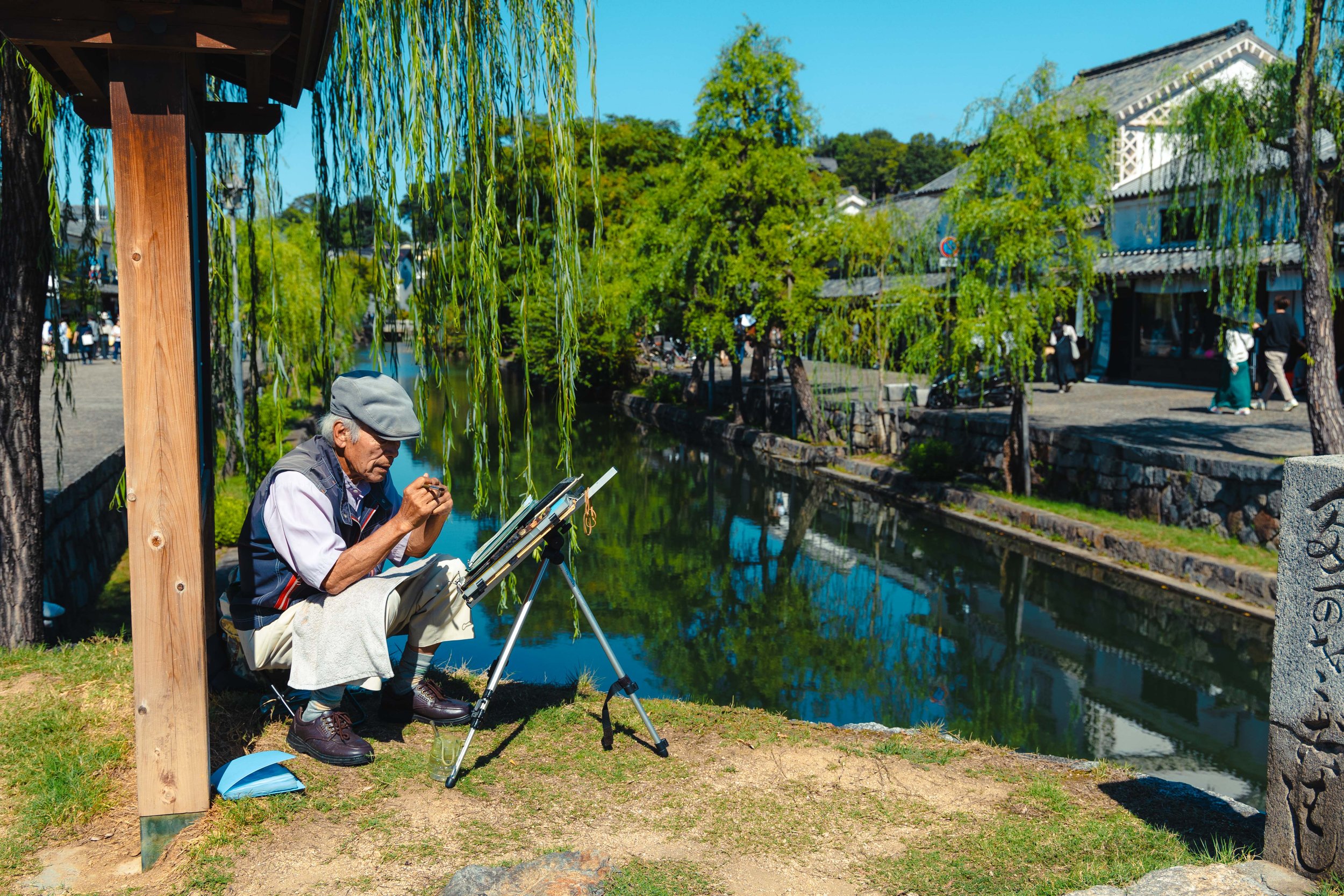
Kurashiki’s historical quarter offers a rich blend of Edo-period architecture, European fine art, and Japanese craftsmanship.
Explore the Kurashiki Bikan Historical Quarter
The main highlight of any trip is the Kurashiki Bikan Historical Quarter. Once an important rice distribution hub during the Edo period, the area features beautifully preserved kura (traditional storehouses) finished with black-and-white tiled walls.
Traditional Punting Boat Rides: Take a 30-minute wooden boat tour along the central canal for a unique view beneath the weeping willows.
Retro Kissaten & Cafés: Many historic buildings now house traditional Japanese coffee shops (kissaten) and fruit dessert parlours serving local delicacies.
Visit the Ōhara Museum of Art
Established in 1930, the Ōhara Museum of Art is Japan’s first private museum dedicated to Western art. Housed in a striking neoclassical building, the collection features works by Monet, El Greco, Gauguin, and Matisse.
Wander Through Kurashiki Ivy Square
A short walk from the canals leads to Kurashiki Ivy Square, a redeveloped 19th-century red-brick cotton mill. Today, the ivy-draped courtyard houses craft shops, cultural exhibits, and artisan workshops.
Shop along Kojima Denim Street
Okayama Prefecture is world-renowned as the birthplace of Japanese denim. In Kurashiki’s Denim Street, you’ll find handcrafted raw denim jeans, indigo-dyed apparel, and fun local treats like denim-blue soft-serve ice cream.
Best Time to Visit Kurashiki
Kurashiki can be visited year-round, but each season offers a distinct experience:
Autumn (October – November): Crisp weather, clear skies, and vibrant autumn foliage along the canals make this the most comfortable season for walking tours.
Spring (Late March – April): Cherry blossoms and fresh green willow leaves frame the canal bridges, though crowd levels peak during this time.
Summer (July – August): Hot and humid, but ideal for tasting local produce. Okayama is famous as Japan’s "Sun Country" and produces premium white peaches (hakuto) and Shine Muscat grapes.
Insider Tip: Arrive around 8:30 AM to capture quiet photos before the crowds arrive. Stay until dusk when traditional paper lanterns illuminate the canals.
Beyond the Canals: Best Museums & Art Galleries in Kurashiki
While the historic canals are the primary attraction, Kurashiki is also one of Japan’s most underrated cultural hubs. If you enjoy fine art, Japanese crafts, or regional history, set aside time for these key spots:
Ōhara Museum of Art (Main Building)
What it is: Established in 1930, this is Japan’s first private museum dedicated to Western fine art.
Why visit: Housed in a striking neoclassical building, it features masterworks by El Greco (The Annunciation), Claude Monet (Water Lilies), Paul Gauguin, and Henri Matisse.
Admission: ~¥2,000 (includes entry to the Craft & Asian Art galleries).
Ōhara Museum Annex & Craft Gallery (Japanese Art)
What it is: Located right next to the main building inside converted Edo-period storehouses.
Why visit: Perfect if you are looking specifically for traditional and 20th-century Japanese art. It displays modern Nihonga (Japanese-style paintings), intricate screen prints, woodblocks, and ceramics by folk art masters like Kanjiro Kawai and Shoji Hamada.
Admission: Included with your main Ōhara Museum ticket.
Kurashiki Folk Crafts Museum (Mingei-kan)
What it is: Housed in a beautifully restored 18th-century rice storehouse along the central canal.
Why visit: Founded in 1948, it is the second-oldest folk craft museum in Japan. It celebrates the Mingei movement—focusing on the functional beauty of everyday, hand-crafted items rather than fine art. The collection covers over 15,000 items, including traditional Japanese ceramics, textiles, woodwork, and basketry.
Admission: ~¥1,200 (€7 EUR).
Kurashiki Archaeological Museum
What it is: Situated in a white-walled storehouse overlooking the river.
Why visit: Dedicated to the ancient history of the Kibi region (modern-day Okayama). It showcases ancient Jomon and Yayoi pottery, bronze mirrors, and artifacts excavated from regional burial mounds (kofun).
Admission: ~¥500 (€3 EUR).
Momotaro Karakuri Museum
What it is: A playful museum located near the canal district.
Why visit: For something more lighthearted, this museum explores the local folklore of Momotaro (the Peach Boy) through interactive optical illusions, haunted houses, and traditional Japanese mechanical dolls (karakuri). Great if you want a quick, eccentric break from traditional art galleries.
Admission: ~¥600 (€3.50 EUR).
How to Get from Osaka to Kurashiki
Getting from Osaka to Kurashiki is fast and convenient via the Japan Railway (JR) network.
Option A: Fast & Direct (Shinkansen + Local Train) — ~75 Minutes
Step 1: Board the JR Sanyo Shinkansen at Shin-Osaka Station to Okayama Station (45–50 minutes via Nozomi, Sakura, or Kodama).
Step 2: Transfer at Okayama Station to the JR Sanyo Main Line or Hakubi Line bound for Kurashiki Station (approx. 17 minutes).
Step 3: Exit Kurashiki Station (South Exit) and walk straight south for 10–15 minutes to reach the Bikan Historical Quarter.
JR Pass Tip: This route is fully covered by the JR Kansai-Hiroshima Area Pass or the national JR Pass (when taking Sakura, Hikari, or Kodama trains).
Option B: Budget Route (Local & Rapid Trains) — ~2.5 to 3 Hours
If you don't have a rail pass and want to avoid Shinkansen surcharges, take a JR Special Rapid train from Osaka Station toward Aioi/Himeji, then transfer to local services heading to Okayama and Kurashiki.
How Much Does a Kurashiki Day Trip Cost?
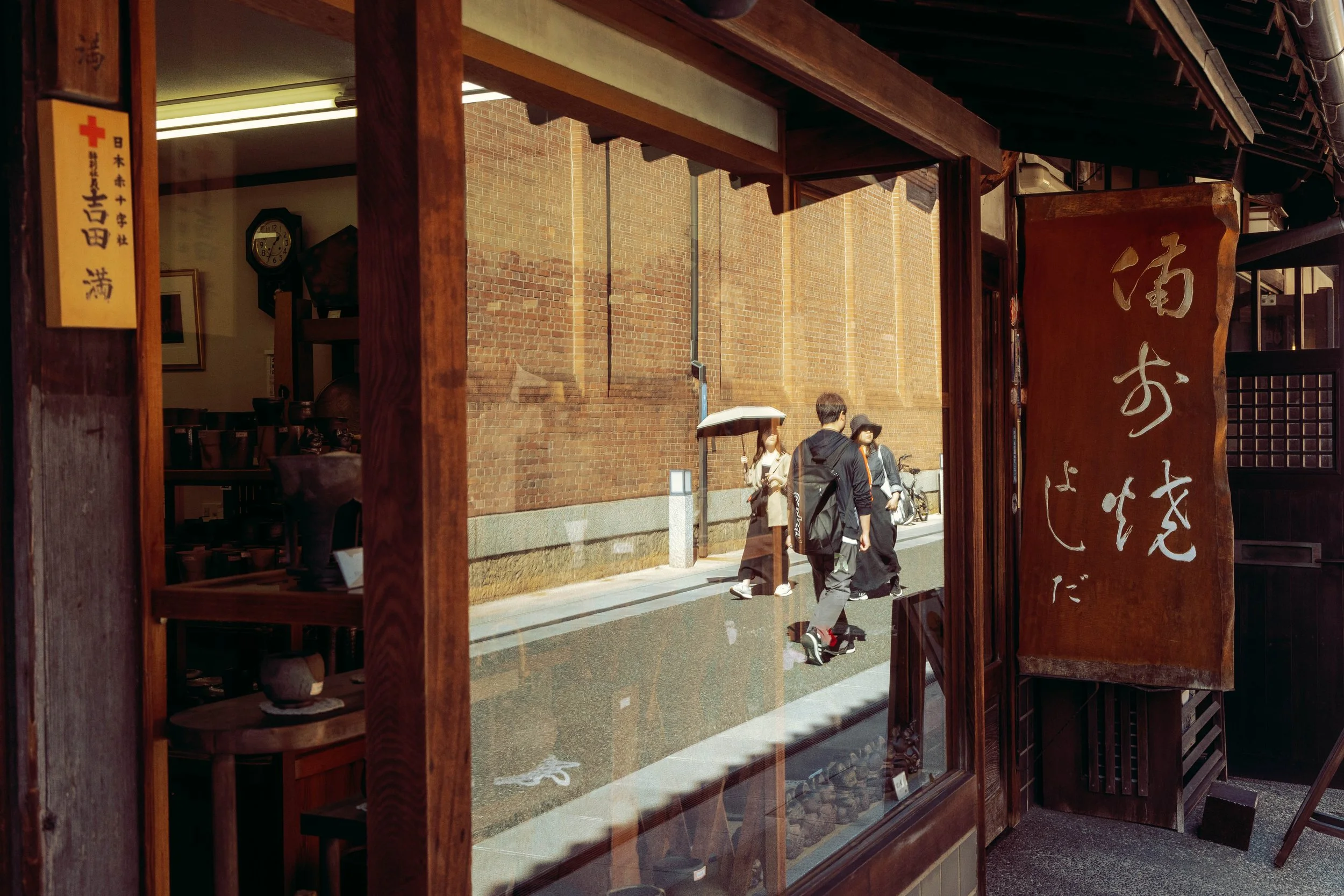
Here is an estimated single-person budget for a day trip to Kurashiki from Osaka:
Round-Trip Transport: ~¥12,000 – ¥13,500 (€71 – €80)
Covers Shinkansen high-speed rail plus local trains between Osaka and Kurashiki.
Canal Boat Ride: ~¥500 (€3 EUR)
A 30-minute traditional wooden boat ticket (purchased at the local tourist office).
Museum Entry: ~¥2,000 (€12 EUR)
General admission ticket for the Ōhara Museum of Art.
Food & Drinks: ~¥2,500 – ¥3,500 (€15 – €21 EUR)
Covers a casual lunch (such as local ramen or soba) plus a fruit parfait or afternoon coffee.
Souvenirs & Extras: ~¥1,500 – ¥3,000 (€9 – €18 EUR)
For local street snacks, artisan crafts, or small denim gifts.
Total Estimated Cost: ~¥18,500 – ¥22,500 (€110 – €134 EUR) per person without a rail pass.
Money-Saving Tip: If you are traveling around Kansai and Hiroshima, buying a 5-Day JR Kansai-Hiroshima Area Pass (approx. ¥17,000) covers your round-trip Shinkansen travel to Kurashiki completely. This reduces your out-of-pocket day expenditure to just ¥5,000–¥7,000 ($35–$47 USD).
Suggested Itinerary Flow for Art Lovers
Morning: Arrive early, walk the canals, and explore the Ōhara Museum complex (Main + Craft Annex).
Lunch: Enjoy lunch at a nearby café in the Bikan District.
Afternoon: Tour the Kurashiki Folk Crafts Museum, then head to Denim Street and Ivy Square before taking an evening canal stroll.
Whether you spend your day floating down the canal under weeping willows, marveling at European art inside an Edo-period storehouse, or picking up a pair of locally handcrafted jeans, Kurashiki delivers a rare mix of quiet history and modern artisan culture. It is proof that some of Japan’s most memorable moments happen just beyond the main tourist hubs.
If you are basing yourself in Osaka, set aside a day to head west to Okayama Prefecture. Grab your camera, catch an early Shinkansen, and let Kurashiki show you a slower, deeply charming side of Japan that will stay with you long after your train returns to the city.
Notes for Photographers
Work the Geometric Contrast: The star of Kurashiki is the namako-kabe—traditional Edo-period storehouse walls featuring white diagonal plaster gridlines raised against dark slate tiles. Look for tight framing on these textures, using the geometric patterns as graphic backgrounds to isolate subjects or capture high-contrast black-and-white compositions.
Capitalize on Mid-Morning and Dusk Light:
Morning (8:30 AM – 10:00 AM): The low-angle sun cuts across the main canal, hitting the whitewashed storehouse facades while keeping the water and narrow alleys in deep shadow. This is your window for clean, high-contrast frames and still, mirror-like canal reflections before the punting boats break the water surface.
Dusk to Blue Hour: As shopkeepers roll down their shutters, traditional paper lanterns (chochin) light up along the canal. The warm 2700K tungsten glow against the deep blue sky creates a completely different palette for low-light, ambient street scenes.
Explore the Roji (Back Alleys): Don't stay exclusively on the main canal loop. Step one or two blocks inland behind the Ōhara Museum into the narrow, unpaved back alleys (roji). You’ll find weathered timber structures, corrugated iron contrasts, hanging textile shop curtains (noren), and local residents moving through quiet residential corridors.
Frame Through the Willows: Use the hanging fronds of the weeping willows along the riverbanks to naturally frame passersby, boatmen, or stone bridges, adding layers and depth to your foreground.
Shooting Lenses & Gear: A 28mm or 35mm prime lens is ideal here—wide enough to capture environmental street portraits and architectural scale within narrow lanes without distorting the clean lines of the historic storehouses.
Frequently Asked Questions (FAQ)
Is a day trip from Osaka to Kurashiki worth it?
Yes! Kurashiki offers a preserved historical aesthetic similar to Kyoto or Gion, but with fewer crowds and a unique canal-focused landscape.
How much time do you need in Kurashiki?
A half-day (4–6 hours) is plenty of time to explore the Bikan Historical Quarter, take a boat ride, visit the Ōhara Museum of Art, and enjoy lunch or coffee.
Can you walk from Kurashiki Station to the canal district?
Yes. The Bikan Historical Quarter is a straight, well-signposted 10- to 15-minute walk south of Kurashiki Station's South Exit.
If you want to support me and help me creating more content, please consider purchasing something from the shop. Thank you!

Workshop at a Glance
Dates: 16the and 17th of January 2027
Location: Hong Kong
Duration: 2 days
Price: 600€ per person (150€ + 450€ see the Pricing & Booking section for the details)
Skill Level: All levels welcome
Group Size: Only 10 spots available
Welcome to Hong Kong
Hong Kong is a vertical labyrinth of raw cinematic energy, making it an absolute dream for street photography. It’s a city of thrilling visual contrasts—where the intense, neon-lit density of Mong Kok gives way to quiet, hidden alleyways, and grand colonial architecture sits in the shadow of towering glass skyscrapers. From double-decker trams slicing through seas of commuters to abstract reflections, moody shadows, and steam rising from street food stalls, Hong Kong is an endless playground of geometry, scale, and human emotion.
Join internationally recognised street photographers Paolo Maschio and Tom Bugatti (website | Instagram) for an immersive workshop designed to sharpen your eye, refine your technique, and help you carve out your own unique visual voice. Over two full days, we’ll explore two distinct philosophical styles: Paolo’s humanistic approach—focusing on raw emotion, proximity, and individuals navigating the city—and Tom’s formalistic approach, where human subjects become elements of geometry, light, reflection, and abstraction within a larger frame.
What to Expect
Two focused days, two distinct visual philosophies, and a city that never stops moving. You’ll be gently pushed to shoot more instinctively, to take the frame you almost talked yourself out of, and to trust your eye whether you're capturing close-range human emotion or abstracting subjects into geometric architecture.
Expect a genuine mix of theory, image critique, and extensive field shooting in one of the most cinematic cities in the world. As participants sign up, we will reach out directly to understand your specific goals and visual interests. Depending on the group's preferences, we will tailor our on-the-street approach—either splitting into smaller targeted groups or alternating leads—to ensure maximum personal attention.
A detailed schedule for the two days will be shared with all participants before the event. We don't share it in advance as it is tailored to the experience level and preferences of the group, as well as the weather.
With two instructors sharing the lead, you'll benefit from a rich dual approach. Ultimately, our goal isn't to make you shoot like us, but to help you develop your own distinct way of seeing. There’s no competition here—just a community of photographers learning from two complementary perspectives and from each other.
What You’ll Learn
Whether you've never done street photography before or you're looking to break through a creative plateau, this workshop is designed to give you concrete tools you can keep using long after you leave Hong Kong.
Over the two days we'll cover:
Humanistic vs. Formalistic Approaches — choosing whether to tell a story through personal emotion or through abstract shape, reflection, and structure;
Reading a scene — how to anticipate moments before they happen;
Composition and framing — layers, geometry, and urban scale;
Overcoming hesitation — practical techniques for shooting confidently up close;
Working with available light — navigating moody shadows, neon, and high-contrast reflections;
Editing and curation — how to select your strongest images and understand why they work.
Requirements
No prior experience with street photography is required but you’ll definitely need:
A camera you're comfortable using — DSLR, mirrorless, compact or film, all welcome;
Lenses: Wide lenses for close-quarters shooting are great, but if you are interested in capturing architectural reflections, geometric details, or abstract compositions, please make sure to bring a telephoto lens (100mm or longer);
Comfortable shoes (expect to walk several Km each day);
A laptop for reviewing and post-producing images;
Curiosity, patience, and respect for the people and places we photograph.
Pricing & Booking
The price of the workshop is €600 per person*. It is possible to pay in full or to pay a 150€ down payment and the remaining 450€ on or before the 1st of January 2027. This payment solution is only available until the 25th of December 2026. After this date paying in full is the only option.
The price includes the following:
Pre-workshop outreach to understand your personal goals and tailor the experience;
Portfolio reviews by both Paolo and Tom;
Two days of guided shooting in Hong Kong’s most photographically rich neighbourhoods;
Theory sessions exploring humanistic, formalistic, and abstract street photography;
Daily photo critiques — reviewing your images together and understanding what's working and why;
Personal feedback tailored to your individual level and style.
Transportation, meals, drinks, travel insurance, and any other incurred costs are not included and are to be paid individually.
* All workshop participants receive a 10% discount on any future workshops they attend with me (co-sponsored workshops with other instructors excluded).
Cancellation and Refund Policy
See https://paolomaschio.com/returns.
FAQ
Do I need to be an experienced photographer?
Not at all. This workshop is open to all skill levels. The only requirement is that you're comfortable handling your own camera. Whether you're just starting out or you've been shooting for years and want fresh eyes on your work, there's something here for you.
What camera should I bring?
Whatever you already own and feel comfortable with. Street photography is about seeing, not gear. A compact camera or even a film camera is absolutely fine but you should know how to operate it.
Will we stay in the same hotel?
Accommodation is not included in the price. If you want I can share recommended areas to make it easy to stay close to the group.
Is travel insurance required?
I strongly recommend taking out travel insurance that covers trip cancellations, medical expenses and lost equipment. This is your responsibility to arrange independently.
I have a question not answered here — can I get in touch?
Absolutely. Reach me through the contacts section of this website and I'll get back to you as soon as I can.