

While Tokyo and Osaka command the bulk of Japan’s first-time travel itineraries, heading northwest into Ishikawa and Gifu Prefectures exposes a starkly different visual landscape.
Kanazawa (金沢)—often called Little Kyoto—offers a rich blend of preserved samurai districts, geisha teahouses, and classical Edo-period gardens. A short bus ride further into the mountains brings you to Shirakawa-go (白川郷), a UNESCO World Heritage village famous for its steep, thatched-roof gassho-zukuri farmhouses framed by dramatic alpine scenery.
Whether you are looking to work with high-contrast historic textures, shoot quiet timber backstreets, or explore traditional mountain architecture, combining Kanazawa and Shirakawa-go is one of the most rewarding regional routes in central Japan.
This guide breaks down why to visit, the best times for light and atmosphere, step-by-step transport logistics, exact costs, and key spots for photography.
Why Visit Kanazawa & Shirakawa-go?

This region pairs refined urban feudal history with raw, isolated mountain architecture.
Higashi Chaya District (Kanazawa)
Kanazawa’s most famous geisha district features dark, weathered wooden lattice windows (kimusuko) lining narrow stone-paved streets. It’s an exceptional spot for isolating historic textures, shadow patterns, and traditional architecture.
Nagamachi Samurai District (Kanazawa)
A quiet neighbourhood where feudal samurai once lived. The earthen mud walls (dobei), traditional straw-hatched wall covers in winter, and narrow canal corridors offer a much quieter, restrained aesthetic compared to Kyoto’s main hubs.
Kenroku-en Garden & Kanazawa Castle
Ranked as one of Japan’s "Three Great Gardens," Kenroku-en offers classical landscape design with ancient pine trees supported by conical rope structures (yukitsuri) in winter to protect them from heavy snowfall.
Ogimachi Village (Shirakawa-go)
The main village of Shirakawa-go features dozens of preserved gassho-zukuri (constructed like hands in prayer) thatched farmhouses built to withstand heavy mountain snow. Walking through the village provides a dramatic sense of scale against the surrounding mountain peaks.
Best Time to Visit & Lighting Notes
Winter (December to February): The defining season for this region. Heavy snowfall covers Shirakawa-go’s thatched roofs, and Kanazawa’s gardens are prepped with yukitsuri ropes.
Autumn (October to November): Crisp mountain air, vibrant maple foliage surrounding Shirakawa-go, and comfortable walking temperatures throughout Kanazawa.
Spring (Late March to April): Cherry blossoms frame the canals in Kanazawa and line the riverbeds in Shirakawa-go.
Notes for Photographers
Morning Light in Nagamachi (8:00 AM – 9:30 AM): Hit the samurai district early before shopfronts open to catch low-angled sunlight cutting across the earth-toned mud walls and narrow stone alleys.
Overcast & Mist in Shirakawa-go: Don't wait for blue skies. Overcast, moody, or misty days bring out the rich dark tones of the thatched roofs and create clean, high-contrast separation against the green or snow-covered mountains.
Blue Hour in Higashi Chaya: As dusk falls, traditional warm street lanterns light up the wooden lattices against the deep blue sky, making it ideal for low-light street work with a 28mm or 35mm lens.
How to Get There & Travel Logistics
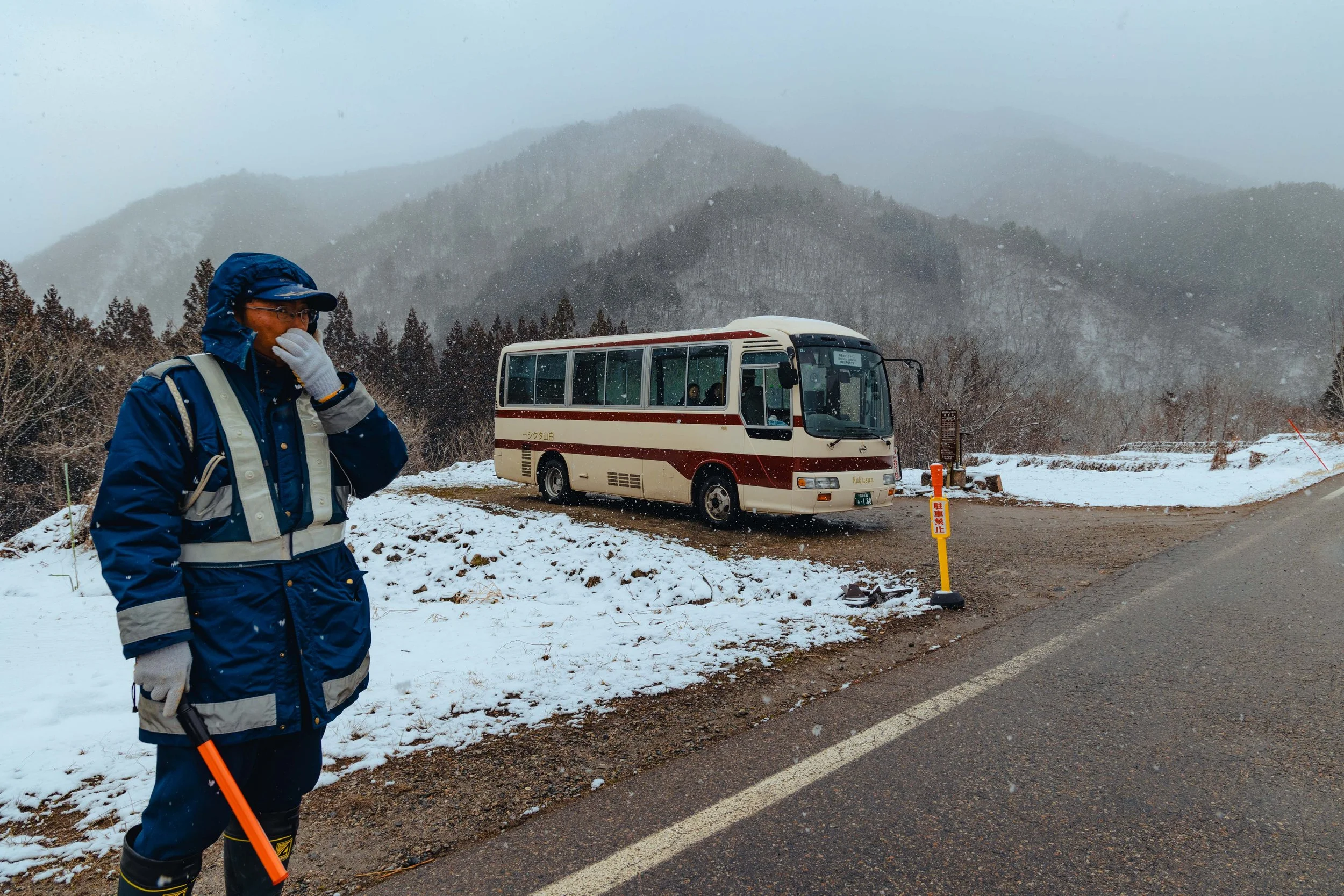
Step 1: Getting to Kanazawa
From Tokyo: Take the JR Hokuriku Shinkansen (Kagayaki or Hakutaka) directly from Tokyo Station to Kanazawa Station (approx. 2.5 hours). Fully covered by the national JR Pass.
From Kyoto / Osaka: Take the JR Limited Express Thunderbird or transfer via the Hokuriku Shinkansen extension (approx. 2 to 2.5 hours).
Step 2: Kanazawa to Shirakawa-go
By Highway Bus: Take the Nohi Bus or Hokutetsu Bus directly from Kanazawa Station (East Exit Bus Terminal, Bay 2) to Shirakawa-go (Ogimachi).
Travel Time: Approx. 1 hour 15 minutes each way.
Crucial Note: Seat reservations are mandatory for most departures on this route. Book your bus tickets online a few weeks in advance, especially during peak autumn or winter months.
Hokutetsu Highway Express - https://www.hokutetsu.co.jp/en/highway/
Japan Bus Online - https://japanbusonline.com/en/CourseSearch/11900040002
Estimated Budget & Costs
Here is a practical budget breakdown for exploring Kanazawa and taking a day trip out to Shirakawa-go:
Shinkansen (Tokyo ↔ Kanazawa Round-Trip): ~¥28,000 (€170 EUR)
High-speed rail round trip (covered if you hold an active JR Pass).
Highway Bus (Kanazawa ↔ Shirakawa-go Round-Trip): ~¥4,400 (€26 EUR)
Reserved round-trip bus fare between Kanazawa Station and Ogimachi Village.
Kenroku-en Garden Admission: ~¥320 (€2 EUR)
Wada House Entry (Shirakawa-go): ~¥400 (€2.50 EUR)
Entry ticket to explore the interior of a traditional 300-year-old thatched gassho-zukuri farmhouse.
Food & Drinks: ~¥3,500 – ¥5,000 (€21 – €30 EUR)
Local City Transport: ~¥600 (€3.50 EUR)
Kanazawa Loop Bus day ticket or individual local bus rides.
Total Estimated Cost: ~¥36,800 – ¥38,800 (€225 – €235 EUR) per person (including Shinkansen from Tokyo) or ~¥8,800 – ¥10,300 (€53 – €62 EUR) if you already hold a rail pass or are based locally in Kanazawa.
Typical 1-Day / 2-Day Itinerary
Day 1: Kanazawa Architecture & Backstreets
08:30 AM: Start early in the Nagamachi Samurai District while the narrow alleys are quiet.
10:30 AM: Walk through Kenroku-en Garden and the outer grounds of Kanazawa Castle.
01:00 PM: Grab lunch at Omicho Market for fresh Hokuriku seafood.
03:00 PM: Explore the wooden lattices and back alleys of Higashi Chaya District.
05:30 PM: Shoot twilight and lantern light in Higashi Chaya or Kazuemachi along the Asano River.
Day 2: Shirakawa-go Alpine Village
08:40 AM: Board the reserved Nohi Highway Bus from Kanazawa Station to Shirakawa-go.
10:00 AM: Arrive at Ogimachi Village. Walk across the Sho River suspension bridge into the central village.
11:00 AM: Head up to the Shiroyama Viewpoint for the iconic elevated panoramic view over the thatched roofs and valley.
01:00 PM: Explore the interior of Wada House or Kanda House to see the timber construction up close.
03:30 PM: Catch the return highway bus back to Kanazawa Station.
Over-Night Itinerary: Dawn in Shirakawa-go
Staying overnight in Ogimachi is the single best way to experience Shirakawa-go without the crowds. Once the last tourist buses depart around 4:30 PM, the village returns to absolute silence. Waking up early to walk the snow-covered paths up to the Shiroyama Viewpoint as the snow falls over the thatched roofs is an unforgettable visual experience.
Day 1: Kanazawa to Shirakawa-go (Evening Arrival)
02:00 PM: Explore Kanazawa’s Higashi Chaya or Nagamachi Samurai District in the afternoon.
04:10 PM: Board the late-afternoon highway bus from Kanazawa Station to Shirakawa-go (approx. 1 hour 15 minutes).
05:30 PM: Check into a traditional Minshuku (family-run thatched guesthouse) or local inn in Ogimachi. Enjoy a traditional hearth-side (irori) dinner featuring local Hida beef and mountain vegetables.
08:00 PM: Take a quiet evening walk through the unlit village lanes as snow falls against the glowing windows of the farmhouses.
Day 2: First Light at Shiroyama Viewpoint & Return to Kanazawa
06:30 AM (Dawn): Step out early before the village wakes up. Take the steady 15-to-20-minute uphill walk along the snow-cleared road leading to the Shiroyama Viewpoint (Tenshukaku).
07:00 AM: Arrive at the viewpoint for first light. Watch the morning blue hour shift over the valley while fresh snow falls silently over the village below—completely free of crowds, tour groups, or shuttle buses.
08:00 AM: Walk back down to your guesthouse for a warm, traditional breakfast.
09:30 AM: Explore the interior of Wada House or Kanda House as they open, or wander the quiet back paths along the Sho River.
11:30 AM or 01:00 PM: Catch the return highway bus back to Kanazawa or continue onward to Takayama.
Crucial Logistics for Staying Overnight
Booking a Minshuku: Staying inside an authentic gassho-zukuri farmhouse is incredibly popular and space is very limited (many guesthouses only have 3 to 5 rooms). Bookings usually open 3 to 6 months in advance through local reservation portals or the official Shirakawa-go Tourist Association.
Walking to the Viewpoint in Winter: The walking path to the Shiroyama Viewpoint is open, but it can be icy in the early morning. Wear waterproof boots with good grip (or attach micro-spikes/crampons) as the shuttle bus service to the top does not start running until later in the morning (around 9:00 AM).
Gear Protection: Falling snow and high humidity mean you’ll want a simple rain cover or plastic bag for your camera while walking, and keep a spare battery in an inside coat pocket—cold mountain air drains camera batteries fast.
Frequently Asked Questions (FAQ)
Can you visit Shirakawa-go as a day trip from Kanazawa?
Yes. Kanazawa is the best urban base for visiting Shirakawa-go. The direct highway bus takes only 1 hour and 15 minutes each way, making it an easy half-day or full-day trip.
Do you need to book the bus to Shirakawa-go in advance?
Yes. Seats on the Nohi and Hokutetsu highway buses fill up rapidly, especially during peak seasons (autumn leaves, winter illumination, and cherry blossom season). Booking at least a few weeks online is strongly recommended.
How much time do you need in Shirakawa-go?
3 to 4 hours is plenty of time to walk through Ogimachi village, visit a historical farmhouse interior, walk up to the viewpoint, and grab lunch.
Conclusion
Combining Kanazawa’s rich feudal heritage with the alpine isolation of Shirakawa-go gives you a powerful cross-section of central Japan away from the standard Golden Route crowds. Whether you are shooting high-contrast timber textures in Higashi Chaya or taking in the mountain scale of Ogimachi village, this route delivers exceptional visual depth and straightforward logistics.
Pack a sharp 28mm or 35mm lens, book your highway bus seats early, and take the time to explore the quiet backstreets where the real character of the region lives.
