

Kamakura Travel Guide: Temples, Shonan Coast Surf, and Street Photography Beyond Tokyo
Let’s be honest: when people look for a day trip from Tokyo to escape the neon and the concrete, they almost always head to Kamakura. It’s often called the "Kyoto of Eastern Japan," a title that sounds great for SEO but misses the actual vibe.
Kamakura doesn't feel like Kyoto. It’s tighter, crunchier, and deeply tied to the sea. It’s a place where 800-year-old Zen temples sit a 15-minute walk away from surfers carrying longboards down narrow, sun-bleached asphalt streets. It’s where old-school wooden trains cut through residential backyards, and the salty Pacific breeze mixes with temple incense.
If you’re planning a trip here, navigating the crowds and the transport links can make or break your day. This guide covers exactly how to get there, what to look for through a viewfinder, where to find a proper meal, and how to capture the raw, cinematic reality of this coastal enclave.
How to Get to Kamakura from Tokyo
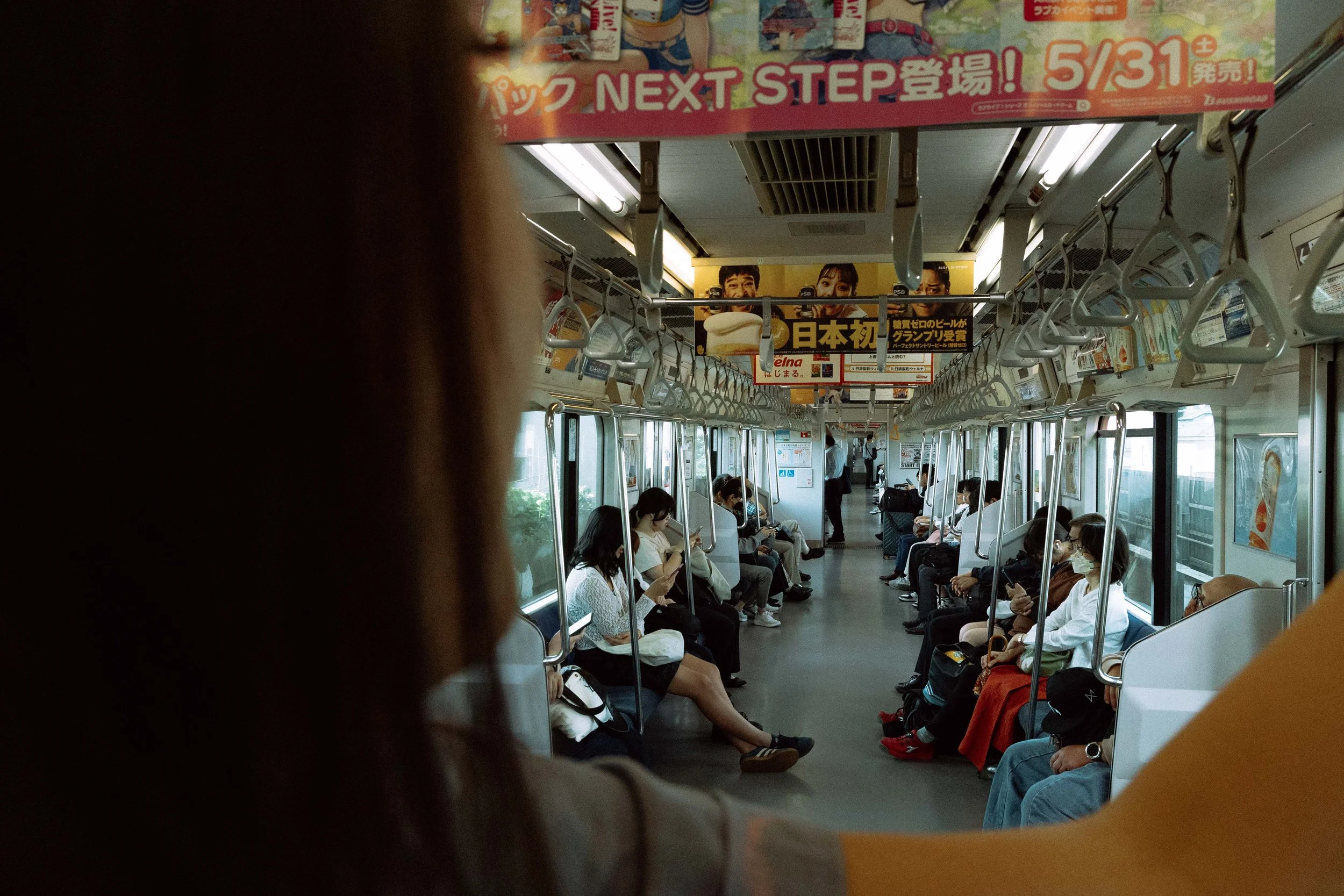
Tokyo to Kamakura on the JR train is pretty straightforward.
Reaching Kamakura from central Tokyo is straightforward, but choosing the right line saves you time and sets the rhythm for your day.
JR Shonan-Shinjuku Line
Departure Station: Shinjuku, Shibuya, Ikebukuro
Travel Time: ~50 mins
Best for: Staying in Western Tokyo
JR Yokosuka Line
Departure Station: Tokyo Station, Shinagawa
Travel Time: ~55 mins
Best for: Staying in Eastern/Central Tokyo
Odakyu Enoshima-Kamakura Pass
Departure Station: Shinjuku (via Fujisawa)
Travel Time: ~90 mins
Best for: Budget travelers wanting a slower, scenic coastal loop
Pro Tip: If you take a JR line, aim for Kita-Kamakura Station rather than the main Kamakura terminal. It’s a quiet, wood-structured valley station wrapped in greenery. Starting here lets you walk downhill through the best temples into the town center, completely avoiding the initial wave of tourists.
Top Things to See in Kamakura
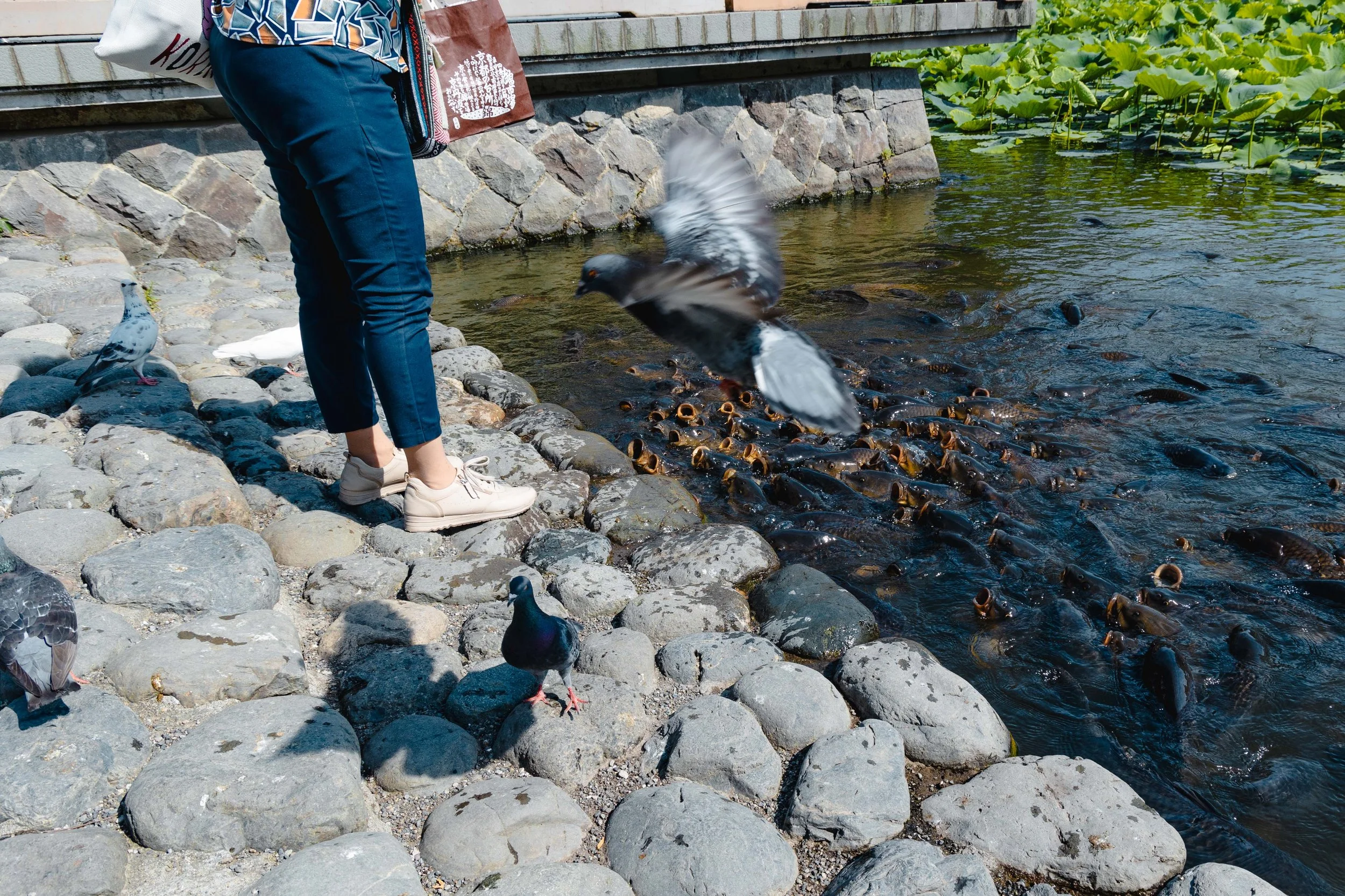
The Koi fishes are always hungry.
The Enoden: The Moving Soul of the Shonan Coast
You cannot talk about Kamakura street photography without talking about the Enoden (Enoshima Electric Railway). Operating since 1902, these retro green and cream train cars clank through tight residential alleyways, inches away from front doorways, before bursting out onto the open coast overlooking Sagami Bay.
Grab a Noriorikun pass (1-day unlimited Enoden rides) so you can hop off whenever the light hits an intersection perfectly.
The Kamakurakoko-mae Crossing
Yes, this is the famous Slam Dunk anime spot. Yes, it is permanently crowded with people holding phones.
To get a cleaner frame, skip the main crossing. Walk 200 meters up the hill or along the tracks. Look for the composition of the green train frame cutting across the deep blue horizon of the ocean, or wait for local residents navigating their daily routine around the tracks.
Engaku-ji and Kencho-ji (Kita-Kamakura Zen Valleys)
Located in Kita-Kamakura, these are massive, foundational Zen complexes. Architecturally, they are masterclasses in raw timber, heavy tiled roofs, and geometric symmetry.
Photographer’s Note: The towering wooden Sanmon (main gates) are incredible subjects. Use a wide-angle lens (24mm or 28mm) from a low perspective to emphasize scale against the surrounding cedar trees. Look for monks or visitors walking through the negative space of the gateway to anchor the frame.
Kotoku-in (The Great Buddha of Kamakura)
Kotoku-in is home to the famous 13-meter-tall bronze monumental Buddha statue cast in 1252.
Unlike many indoor deities across Japan, it stands entirely in the open air—the result of a massive 15th-century tsunami that washed away its surrounding wooden temple hall.
Hasedera Temple
Built into a steep hillside near the coast, Hasedera houses an eleven-headed statue of Kannon and features sweeping views over Sagami Bay.
Walk the hillside path lined with thousands of miniature Jizo statues—protectors of children and travelers. In June and July, the hillside erupts in hydrangeas (ajisai), casting vibrant blues and purples against the dark, weathered temple wood.
The Shonan Surf Culture: Coastal Intimacy
When you reach coastal stations like Shichirigahama or Inamuragasaki, the traditional temple aesthetic drops away entirely, replaced by Japan’s iconic surf culture. The black volcanic sand beaches of the Shonan coast are widely considered the birthplace of Japanese surfing.
On a clear afternoon, the view from Inamuragasaki is dramatic: you can see the silhouette of Enoshima Island, the ocean dotted with wet-suited surfers, and—when air clarity plays nice—Mount Fuji rising directly behind the horizon.
It’s an authentic mix of American-influenced surf culture and Japanese minimalism: rusty beach cruisers with custom side-racks for longboards, concrete seawalls weathered by salt, and local surfers walking barefoot across the train tracks.
Where to Eat in Kamakura: Soba, Curry, and Coastal Specialties
Kamakura has a vibrant culinary scene that balances traditional temple cuisine with modern coastal spots. Avoid the generic tourist traps on Komachi-dori and look for these local favorites:
Kamakura Matsubara-an (Traditional Soba): Tucked inside a restored 70-year-old traditional Japanese house near Yuigahama beach. Their cold duck soba (kamo-seiro) and seasonal tempura are spectacular. The architecture alone—shadowy wooden interiors, paper screens, and a serene garden courtyard—is worth the visit.
Caraway (Local Comfort Food): A legendary local staple near Kamakura Station serving rich, old-school Japanese beef and cheese curry. Expect a short queue during peak lunch hours.
Shirasu-don (Coastal Seafood): If you prefer beachside dining, order a bowl of Shirasu-don—tiny, delicate whitebait local to Sagami Bay, served fresh raw or boiled over rice with green onions, soy sauce, and ginger.
Street Photography in Kamakura: Shadow and Salt
Where Kyoto focuses on clean historical preservation, Kamakura offers lived-in coastal grit.
Because the town is squeezed between steep forested hills and the ocean, the afternoon light drops rapidly, casting long, dramatic shadows through narrow residential alleyways.
Set your camera for high contrast. Watch for mid-afternoon sun reflecting off the asphalt near the coast, or soft evening light illuminating the wooden platforms of coastal Enoden stations. The goal isn't just to shoot postcard views of shrines—it's to capture the collision of centuries-old spiritual architecture with contemporary beach culture.
A One-Day Kamakura Itinerary: From Zen Valleys to Coastal Dusk
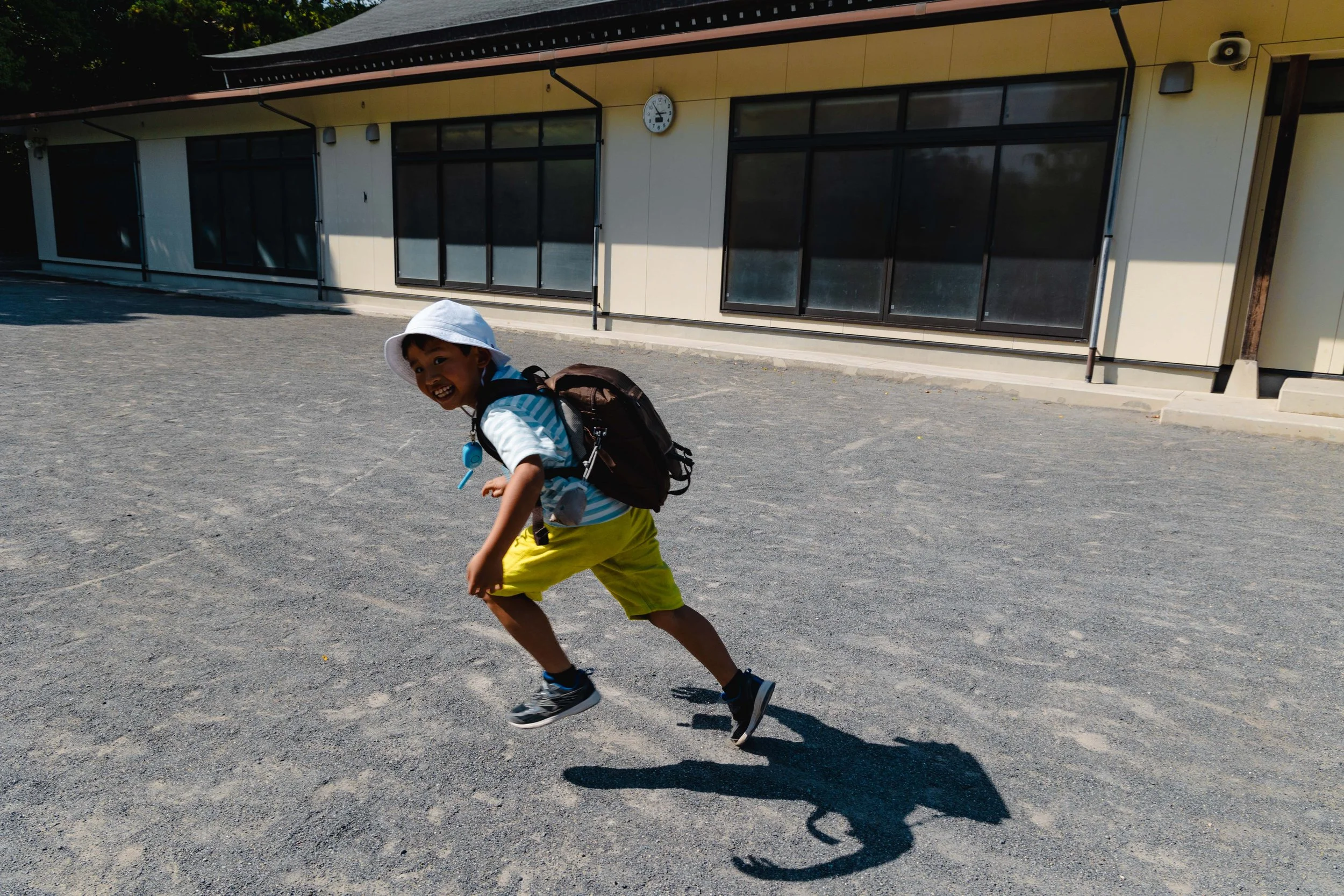
No need to run around if you have a solid plan for the day.
This route follows the natural downhill flow from the quiet northern hills down to the Pacific coast, keeping you ahead of the biggest crowds.
Morning: Silence and Cedar in Kita-Kamakura
8:30 AM — Take the Train to Kita-Kamakura Station Catch the JR Yokosuka Line from Tokyo/Shinagawa or the JR Shonan-Shinjuku Line from Shinjuku/Shibuya. Skip the main Kamakura stop and get off one station early at Kita-Kamakura.
9:00 AM — Engaku-ji Temple Step straight off the platform and into Engaku-ji. This massive Zen complex sits nestled in a wooded valley. Walk up the wide stone stairs to the towering wooden Sanmon gate. Early morning light filtering through the cedar trees creates dramatic high-contrast frames.
10:30 AM — Kencho-ji Temple & The Valley Walk Walk 15 minutes down the road toward Kencho-ji, the oldest Zen training monastery in Kamakura. Explore the expansive courtyard, the weathered timber halls, and the quiet garden at the rear.
Midday: Local Flavor and Central Streets
12:15 PM — Downhill to Town & Lunch Continue walking downhill along the main road into central Kamakura (about 15 minutes). For lunch, skip the crowded main strip and head toward Caraway for rich, old-school Japanese curry, or make your way down to Kamakura Matsubara-an near Yuigahama for cold duck soba in a restored 70-year-old house.
1:30 PM — Tsurugaoka Hachimangu & Backstreets Walk up the wide, cherry-tree-lined approach to Kamakura's main Shinto shrine. After visiting the shrine, duck away from the main thoroughfare and explore the quiet residential alleys parallel to Komachi-dori, where everyday local life happens away from the souvenir shops.
Afternoon: The Coastal Loop & The Enoden
2:30 PM — Catch the Enoden to Hase Station Head to Kamakura Station and buy a Noriorikun 1-Day Pass. Board the retro green Enoden train and take it to Hase Station.
2:45 PM — Kotoku-in (The Great Buddha) & Hasedera Walk to Kotoku-in to see the open-air Great Bronze Buddha. Afterward, head over to Hasedera Temple. Climb the hillside paths for sweeping views over Sagami Bay, and photograph the endless rows of miniature Jizo statues lining the garden walkways.
Late Afternoon & Golden Hour: Surfers and Shadows
4:30 PM — Ride to Inamuragasaki or Shichirigahama Hop back on the Enoden and head further west along the coast. Get off at Inamuragasaki or Shichirigahama, where the tracks open up directly alongside the Pacific ocean.
5:00 PM — Golden Hour on the Shonan Coast Walk down to the black volcanic sand beach. Watch the local surfers navigating the waves and beach cruisers riding along the seawall. On a clear day, you can capture Mount Fuji looming in the background behind Enoshima Island as the sun drops.
6:30 PM — Dinner & Return to Tokyo Grab a casual bite or a fresh bowl of Shirasu-don at a coastal diner overlooking the water, then take the Enoden back to Kamakura Station for your direct train back to Tokyo.
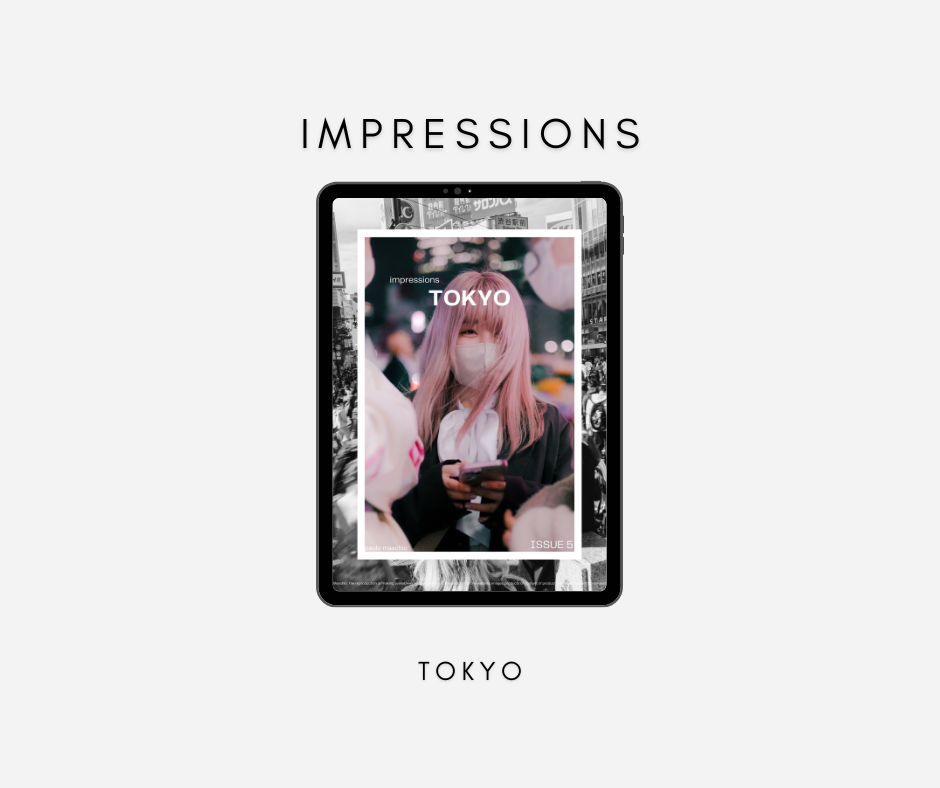

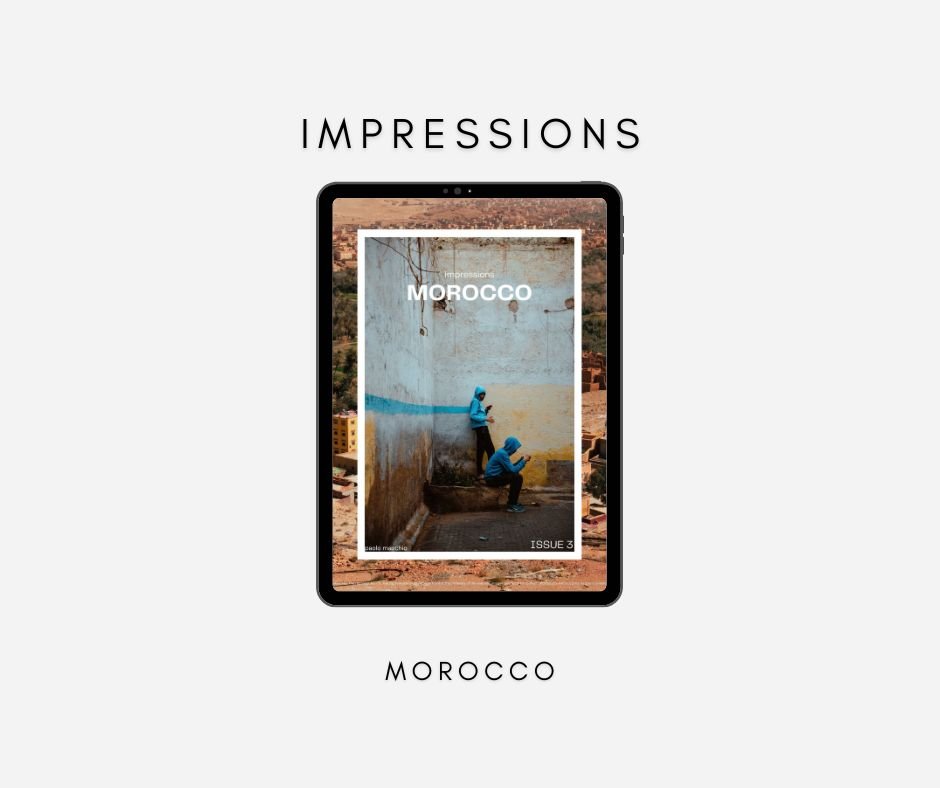

Welcome to Hong Kong
Hong Kong is a vertical labyrinth of raw cinematic energy, making it an absolute dream for street photography. It’s a city of thrilling visual contrasts—where the intense, neon-lit density of Mong Kok gives way to quiet, hidden alleyways, and grand colonial architecture sits in the shadow of towering glass skyscrapers. From double-decker trams slicing through seas of commuters to abstract reflections, moody shadows, and steam rising from street food stalls, Hong Kong is an endless playground of geometry, scale, and human emotion.
Join internationally recognised street photographers Paolo Maschio and Tom Bugatti (website | Instagram) for an immersive workshop designed to sharpen your eye, refine your technique, and help you carve out your own unique visual voice. Over two full days, we’ll explore two distinct philosophical styles: Paolo’s humanistic approach—focusing on raw emotion, proximity, and individuals navigating the city—and Tom’s formalistic approach, where human subjects become elements of geometry, light, reflection, and abstraction within a larger frame.
Workshop at a Glance
Dates: 16-17 of January 2027
Location: Hong Kong, Hong Kong
Duration: 2 days
Price: 600€ per person
Skill Level: All levels welcome
Group Size: Maximum 10 participants
What to Expect
Two focused days, two distinct visual philosophies, and a city that never stops moving. You’ll be gently pushed to shoot more instinctively, to take the frame you almost talked yourself out of, and to trust your eye whether you're capturing close-range human emotion or abstracting subjects into geometric architecture.
Expect a genuine mix of theory, image critique, and extensive field shooting in one of the most cinematic cities in the world. As participants sign up, we will reach out directly to understand your specific goals and visual interests. Depending on the group's preferences, we will tailor our on-the-street approach—either splitting into smaller targeted groups or alternating leads—to ensure maximum personal attention.
With two instructors sharing the lead, you'll benefit from a rich dual approach. Ultimately, our goal isn't to make you shoot like us, but to help you develop your own distinct way of seeing. There’s no competition here—just a community of photographers learning from two complementary perspectives and from each other.
What You’ll Learn
Whether you've never done street photography before or you're looking to break through a creative plateau, this workshop is designed to give you concrete tools you can keep using long after you leave Hong Kong.
Over the two days we'll cover:
Humanistic vs. Formalistic Approaches — choosing whether to tell a story through personal emotion or through abstract shape, reflection, and structure;
Reading a scene — how to anticipate moments before they happen;
Composition and framing — layers, geometry, and urban scale;
Overcoming hesitation — practical techniques for shooting confidently up close;
Working with available light — navigating moody shadows, neon, and high-contrast reflections;
Editing and curation — how to select your strongest images and understand why they work.
Requirements
No prior experience with street photography is required but you’ll definitely need:
A camera you're comfortable using — DSLR, mirrorless, compact or film, all welcome;
Lenses: Wide lenses for close-quarters shooting are great, but if you are interested in capturing architectural reflections, geometric details, or abstract compositions, please make sure to bring a telephoto lens (100mm or longer);
Comfortable shoes (expect to walk several Km each day);
A laptop for reviewing and post-producing images;
Curiosity, patience, and respect for the people and places we photograph.
Pricing & Booking
The price of the workshop is €600 per person,* and it includes the following:
Pre-workshop outreach to understand your personal goals and tailor the experience;
Portfolio reviews by both Paolo and Tom;
Two days of guided shooting in Hong Kong’s most photographically rich neighbourhoods;
Theory sessions exploring humanistic, formalistic, and abstract street photography;
Daily photo critiques — reviewing your images together and understanding what's working and why;
Personal feedback tailored to your individual level and style.
Transportation, meals, drinks, travel insurance, and any other incurred costs are not included and are to be paid individually.
* All workshop participants receive a 10% discount on any future workshops they attend with me (co-sponsored workshops with other instructors excluded).
Cancellation
There are no refunds in case you need to cancel.
If we need to cancel, you will be refunded in full. We are not responsible for any reimbursement of travel expenses or other costs incurred by participants in the event that we need to cancel. Travel insurance covering cancellations, missed flights, and similar is strongly recommended. There are no partial refunds in the event a participant misses days or takes time off during the workshop for any reason.
FAQ
Do I need to be an experienced photographer?
Not at all. This workshop is open to all skill levels. The only requirement is that you're comfortable handling your own camera. Whether you're just starting out or you've been shooting for years and want fresh eyes on your work, there's something here for you.
What camera should I bring?
Whatever you already own and feel comfortable with. Street photography is about seeing, not gear. A compact camera or even a film camera is absolutely fine but you should know how to operate it.
Will we stay in the same hotel?
Accommodation is not included in the price. If you want I can share recommended areas to make it easy to stay close to the group.
Is travel insurance required?
I strongly recommend taking out travel insurance that covers trip cancellations, medical expenses and lost equipment. This is your responsibility to arrange independently.
I have a question not answered here — can I get in touch?
Absolutely. Reach me through the contacts section of this website and I'll get back to you as soon as I can.