

Hiroshima & Miyajima Travel & Street Photography Guide: Hiroshima Day Trip, Itsukushima Shrine & Photography Spots
Planning a Hiroshima and Miyajima itinerary often presents a common challenge: how to navigate a city defined by its history while capturing its modern identity and photographing the floating gate of Itsukushima Shrine without getting lost in crowds.
Whether you are planning a Hiroshima day trip from Osaka or spending a couple of days exploring the Seto Inland Sea, this Hiroshima travel guide covers logistics, street photography spots, food recommendations, and essential practicalities.
Table of Contents
Before You Go: Logistics & Arrival
Navigating Hiroshima: Tram Lines and Urban Flow
Street Photography in Hiroshima: Contrast, Light, and Shadows
Day Trip to Itsukushima (Miyajima): Tides and Sacred Geometry
Hiroshima Food Guide: Okonomiyaki & Oysters
Where to Stay in Hiroshima
Before You Go: Logistics & Arrival
Reaching Hiroshima is straightforward via the Sanyo Shinkansen line.
From Osaka (Shin-Osaka Station): The Sakura or Mizuho bullet train reaches Hiroshima Station in roughly 80–85 minutes. If you use a JR Pass, the Sakura is fully covered.
From Tokyo: The direct Nozomi takes about 4 hours, while taking a Hikari requires a transfer at Shin-Osaka.
Hiroshima Station has ample coin lockers on the ground level and near the streetcar departure platforms. If you are heading straight to Miyajima, consider dropping large bags at Hiroshima Station first to avoid lugging them onto the ferry.
Navigating Hiroshima: Tram Lines and Urban Flow
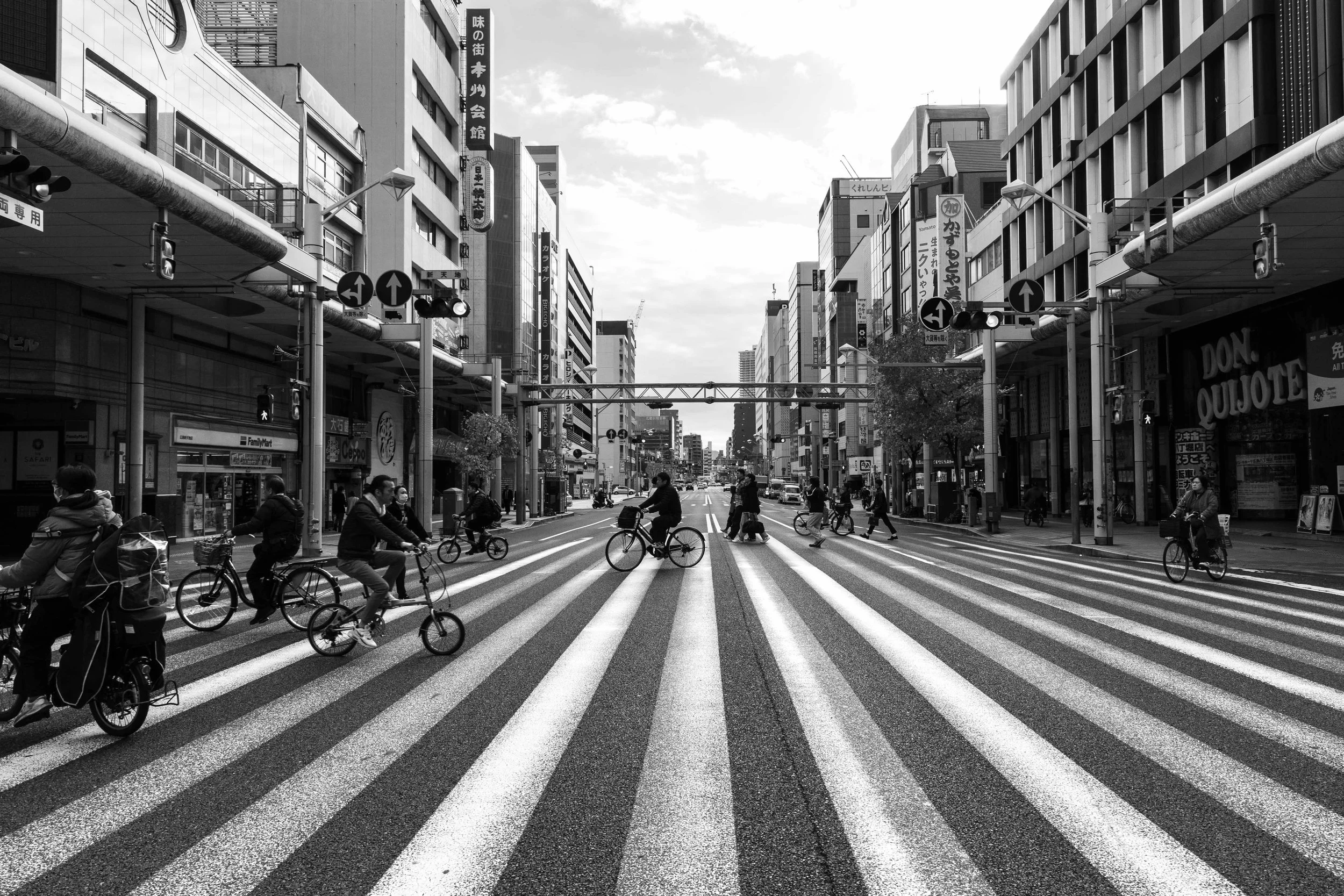
One of Hiroshima’s main streets.
Unlike Tokyo or Osaka, Hiroshima’s transport network relies heavily on its historic streetcar system, operated by Hiroden (Hiroshima Electric Railway).
The streetcars offer an excellent visual experience for photographers. Moving at a relaxed pace through broad avenues, they allow you to observe daily life across the city center.
You can use Suica, Pasmo, or Icoca IC cards on all Hiroden trams. Tap when boarding and tap again when exiting. Most trips within the central city cost a flat fee of around ¥220, making it easy to hop on and off around Hondori and the Peace Memorial Park.
Street Photography in Hiroshima: Contrast, Light, and Shadows
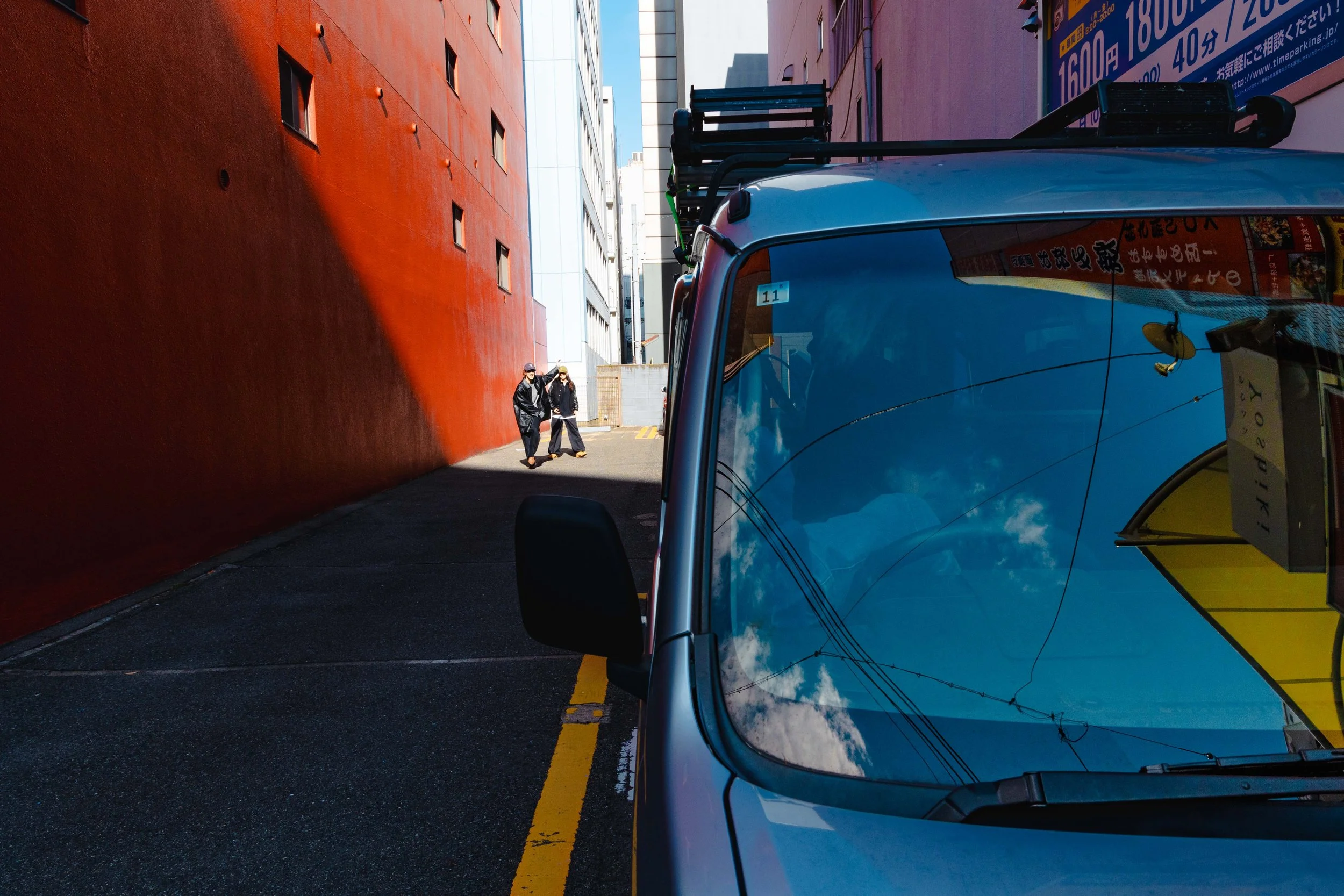
Contrast and colour in unexpected alleys.
Hiroshima is built on a river delta traversed by six main rivers. This unique geography provides wide open skies and strong side-lighting throughout the late afternoon—ideal for the popular high-contrast Japan street photography.
Focus on capturing environmental intimacy. A 28mm or 35mm prime lens allows you to contextualise passersby against Hiroshima's wide boulevards and vintage streetcars.
Top Photography Spots in Hiroshima
Peace Memorial Park & Motoyasu Riverbank
While the memorial grounds demand quiet respect, the surrounding riverwalks feature a beautiful interplay between architecture, shadows, and daily life. The Motoyasu Bridge offers great angles during golden hour as commuters cross on bicycles.
Hondori Shopping Arcade
A bustling covered street stretching through the heart of downtown. The contrast between bright overhead lighting and dark side alleyways creates dramatic frame-within-a-frame opportunities.
Nagarekawa & Shingencho
Hiroshima’s main nightlife and entertainment districts. After dark, these narrow alleys light up with glowing red lanterns, steam from small izakayas, and taxi reflections on wet pavement.
Hiroshima Food Guide: Okonomiyaki & Oysters
Experiencing Hiroshima’s distinct regional cuisine is an essential part of visiting the city.
Hiroshima-style Okonomiyaki
Unlike Osaka, where ingredients are mixed into a batter, Hiroshima layers its ingredients—starting with a thin crepe-like base, topped with cabbage, pork belly, yakisoba noodles, a fried egg, and savoury sauce. Visit Okonomimura (Okonomi Village), a three-story building in central Hiroshima packed with dozens of competing stalls, each with its own iron griddle (teppan). Pro tip: skip the first floor. The best Okonomiyaki I had there were on upper floors.
Seto Inland Sea Oysters (Kaki)
Fresh, massive, and rich in flavour. Along the main shopping street of Miyajima (Omotesando), street stalls grill oysters over charcoal with fresh lemon or ponzu sauce.
Where to Stay in Hiroshima
If you decide to stay overnight rather than returning to Osaka or Tokyo on the same day:
Around Hiroshima Station: Best for quick Shinkansen departures and easy luggage handling. Modern business hotels here offer great convenience.
Hondori / Hatchobori: Ideal if you want to walk to dinner, explore the nightlife in Nagarekawa, and step right out into the commercial heart of the city.
On Miyajima Island: Booking a traditional ryokan on the island allows you to experience Miyajima early in the morning or late at night after the day-trippers have departed.
Day Trip to Itsukushima (Miyajima): Tides and Sacred Geometry
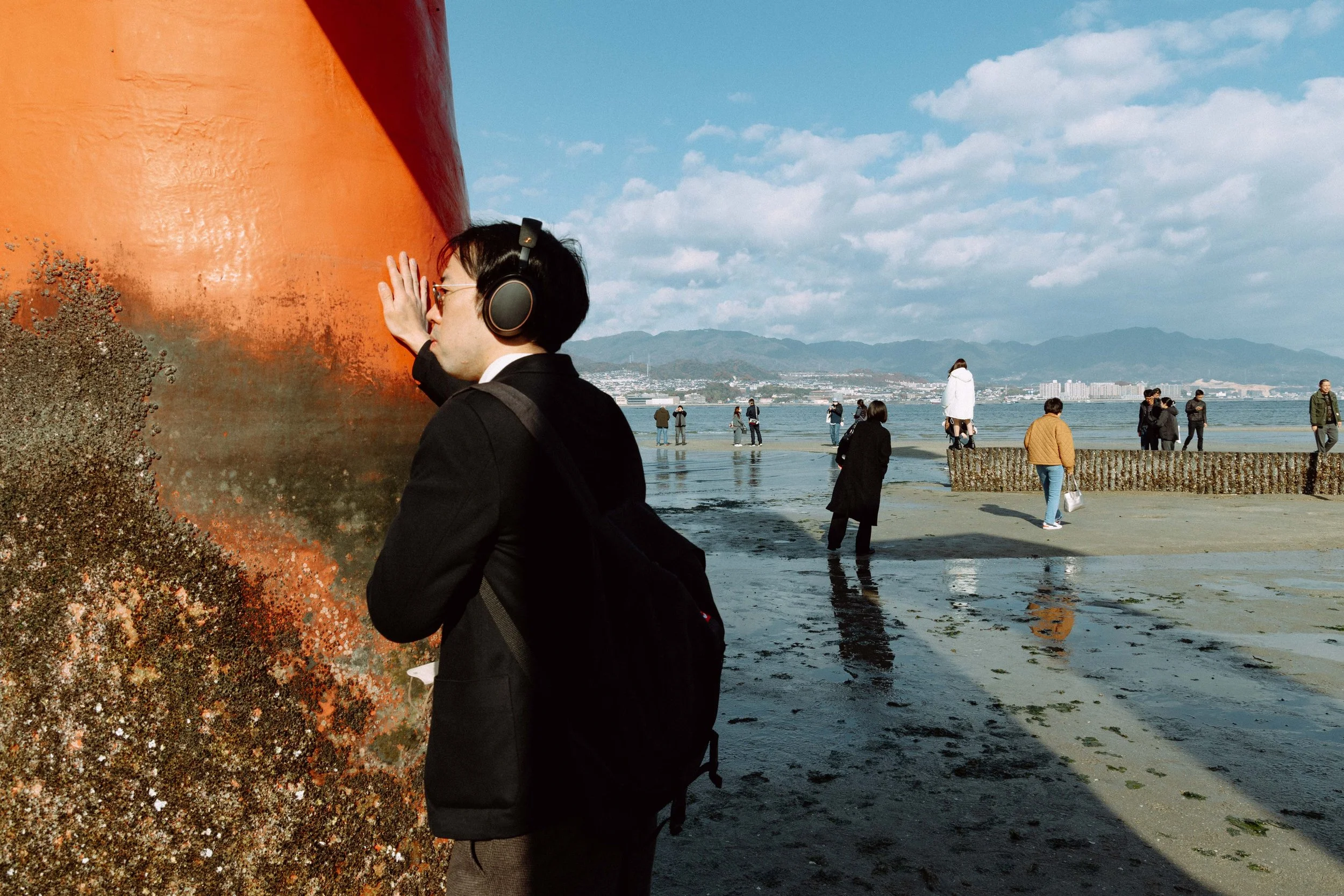
I feel you bro.
Just a short trip from central Hiroshima lies Miyajima Island (Itsukushima), famous for its "floating" O-Torii gate.
Getting to Itsukushima Shrine
Take the JR Sanyo Line from Hiroshima Station to Miyajimaguchi Station (approx. 25 minutes).
Walk 3 minutes to the ferry terminal.
Board either the JR Ferry or the Matsudai Ferry (approx. 10 minutes across the bay). The JR Ferry routes slightly closer to the Torii gate on its approach—stand on the right side of the vessel for the best view.
A small tourist entrance tax of ¥100 is automatically included in your ferry ticket or deducted via your IC card at the gate.
Photography and the Miyajima Tides
To get the best photos at Itsukushima Shrine, check the local tide tables before setting out:
High Tide: The shrine and Torii gate float directly on the water. Focus on reflections, long exposures, and minimalist water compositions.
Low Tide: The water recedes completely, revealing the mudflats. This allows you to walk right up to the base of the gate, capturing silhouetted human figures against massive timber columns.
Timing Suggestion: If you’re really committed to street photography I recommend arriving with the first ferry and spending the whole day there (until just after sunset). Thi way you’ll get to see the Torii gate both with high and low tide (it changes every 6 hours more or less). Otherwise, aim to arrive at Miyajima around mid-afternoon during high tide, explore Mount Misen or the back alleys around Machiya Street, and stay until sunset when the tide recedes and the gate is illuminated.
