

Road Trip in Japan (From Osaka): Mountains, Monkeys, and Onsen - Full Itinerary and Costs Breakdown
Japan isn’t the first place people think of for a road trip—but it should be. If you’re willing to trade bullet trains for winding mountain roads, you’ll unlock a completely different side of the country: quiet post towns, hidden valleys, and the freedom to move at your own pace.
This 7 or 8 day loop starts and ends in Osaka (but can be easily adapted to start and end in Tokyo or to not loop around) and covers some of central Japan’s most atmospheric spots—including historic villages, alpine landscapes, snow monkeys, and one of the country’s best onsen towns. In designing this the only constraint was: keep drives manageable (under ~3 hours per leg, except on the last day).
The Original Route (March 2026)
Osaka → Akame → Gifu → Gujo → Nakatsugawa → Magome → Narai → Chikuma → Jigokudani → Nozawa Onsen → Kiyotsu Gorge → Minakami → Kusatsu → Nikko → Osaka
Day 1 — Osaka to Akame 48 Waterfalls → Gifu Area
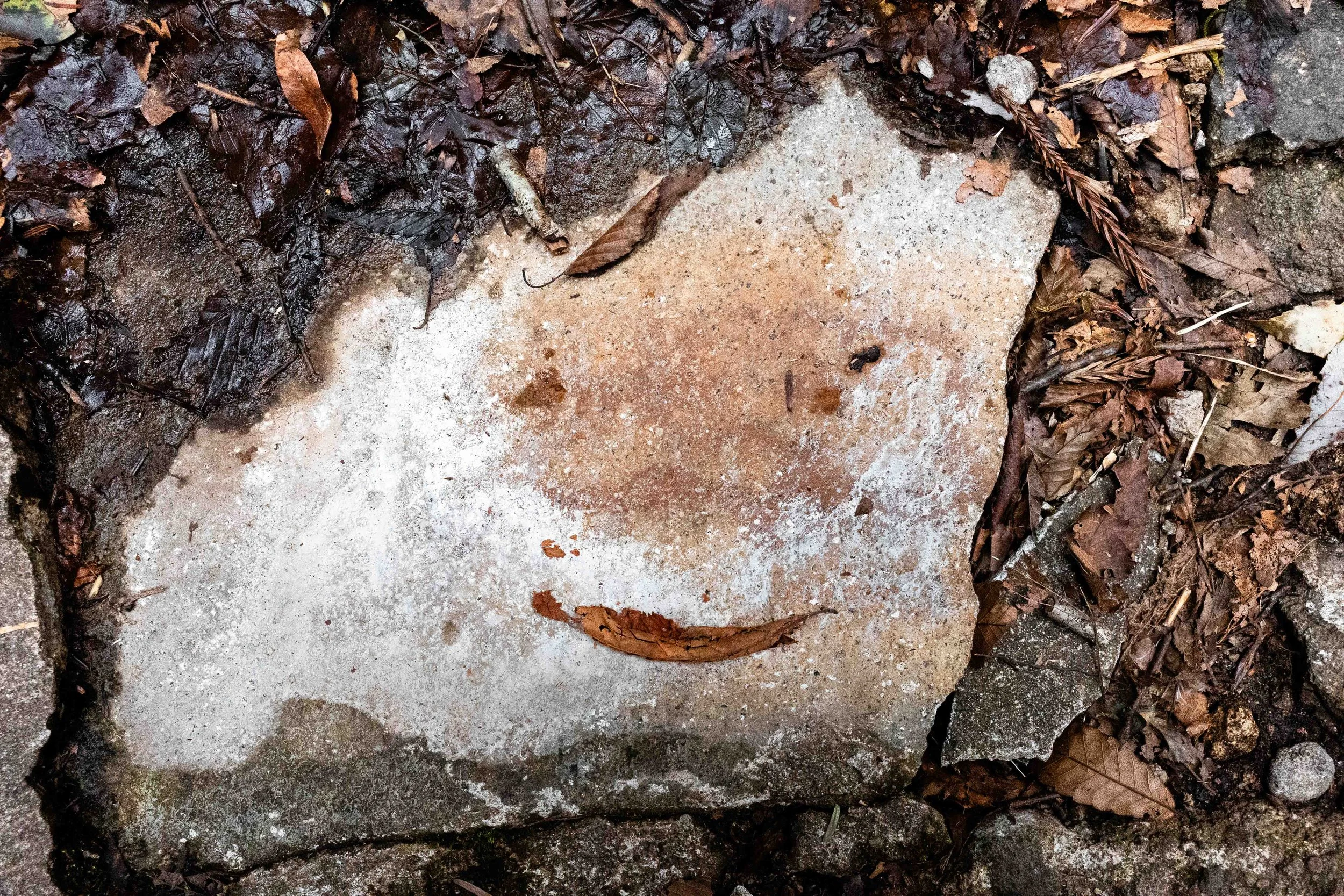
Sometimes the world has a way of smiling at you.
Started the trip by leaving Osaka around 12:30pm and heading toward Akame 48 Waterfalls. It is a gentle introduction: a forest trail, waterfalls, and a chance to slow down before the longer journey ahead.
After enjoying the waterfalls and the small aquarium (which exhibits a big salamander!), it was time to get back into the car and move towards the first accommodation of the trip: the Hotel Birthday Gifunishi (a love hotel). Dinner at Mega Kebab.
Day 2 — Gifu → Gujo-Hachiman → Nakatsugawa
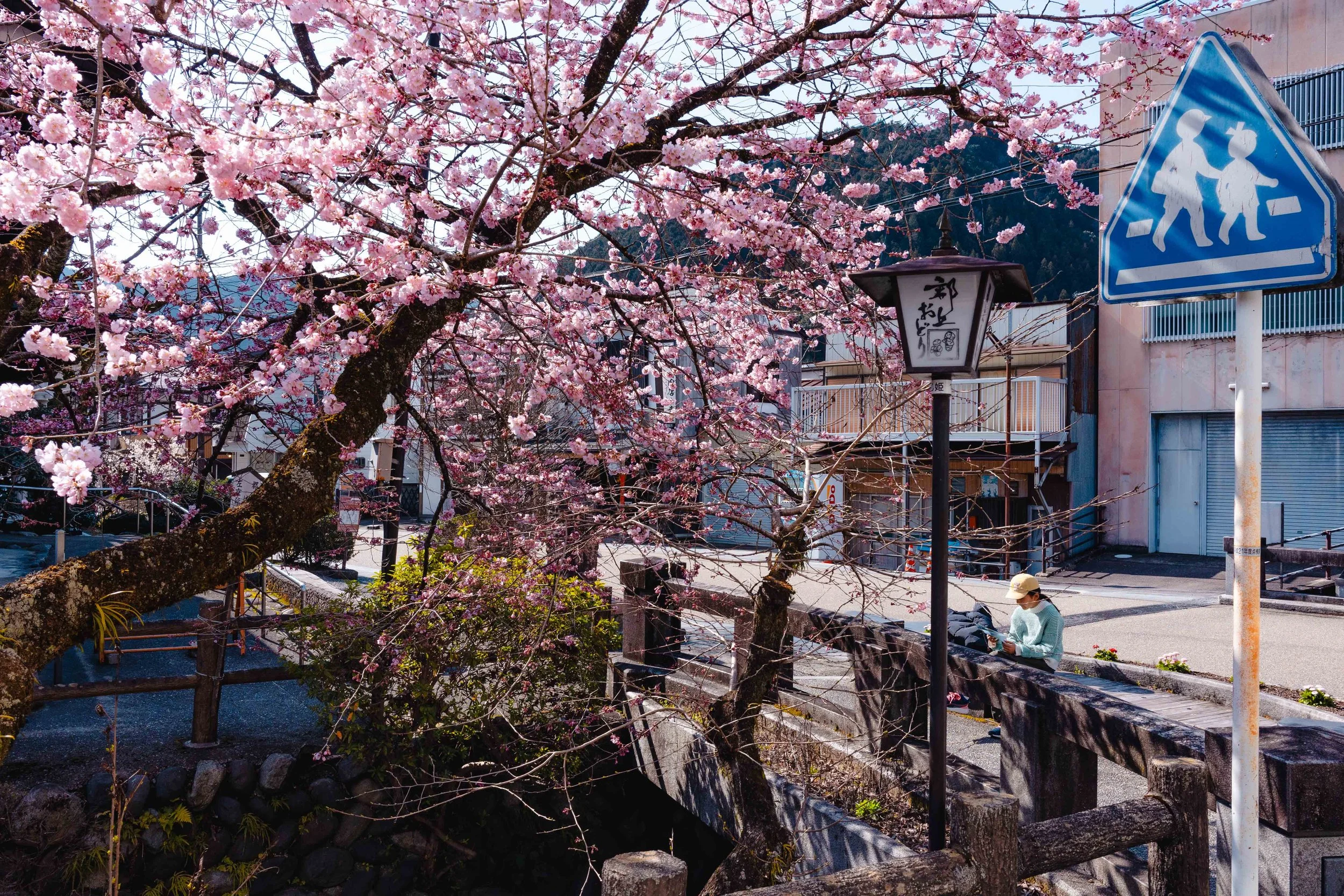
Lucky enough to spot some cherry blossoms along the whole trip.
Drove to Gujo-Hachiman Station, then continued into town to explore Igawa Lane. This area is known for its canals, traditional streets, and quiet atmosphere. A quiet and sweet place.
Afterward, headed to the Nakatsugawa area to spend the night in an AB Hotel. Budget dinner at Sukiya.
Day 3 — Nakatsugawa → Magome → Narai → Chikuma
This is was perhaps of the most distinctive days of the trip as it touched two well preserved Edo-period post towns:
Magome-juku: scenic, elevated, beautifully restored
Narai-juku: longer, much more quieter, more authentic feel
They are both pretty small and things start closing kind of early (around 2pm but even with most venues closed it still was a nice walk).
Then it was time to move on to the Chikuma area for the night. Stayed at this love hotel and had dinner at Denny’s.
Day 4 — Chikuma → Jigokudani Monkey Park → Nagano → Chikuma
Started the day around 10am and headed to the Jigokudani Monkey Park. It wasn’t easy to find the entrance and parking, so here you go, set this parking on your Google maps in case you need it.
After an about 30 minute walk you reach the areas where the monkeys hang out. Expect to spend a couple of hours there as the site is pretty small.
Dinner in a branch of my favourite restaurant: Burger King in Nagano.
Night at the same hotel as the previous day.
Day 5 — Chikuma → Nozawaonsen → Kiyotsu Gorge → Minamiuonuma
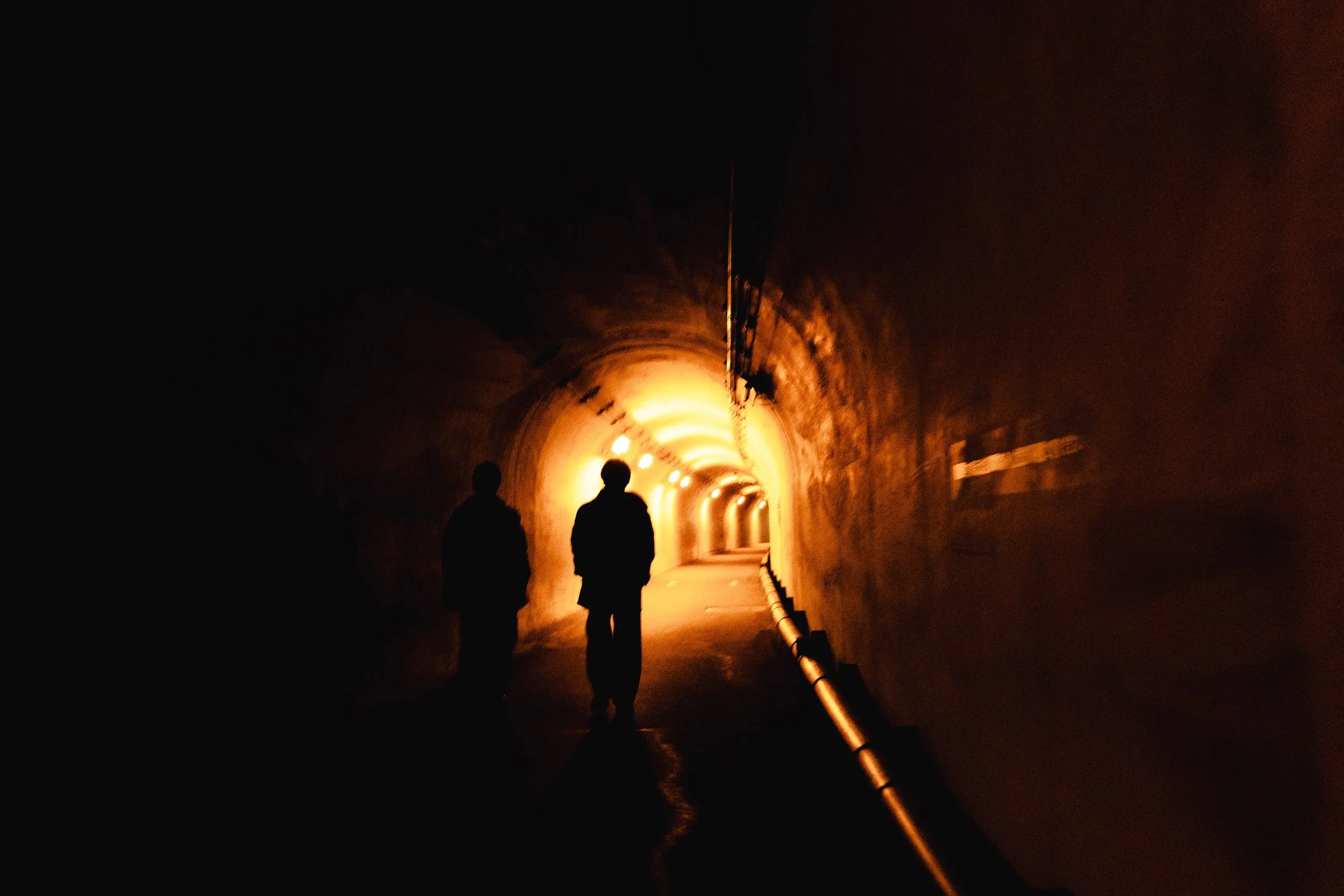
The Kiyotsu Gorge Tunnel was definitely a very interesting and colorful experience.
First stop: Nozawaonsen town and specifically started from Ogama. Got a coffee from a cafè and souvenir shop ran by a very kind old lady (who makes her own pottery and sales it as well) and then went exploring the town. Had a couple of delicious donuts at Compass Village and a pulled pork sandwitch at Cafe and Jam Factory Haus St Anton. Because almost everyone stays in this town to ski and comes back in the afternoon\evening, it’s likely that this place gets more lively at evening rather than in the morning or noon when I visited.
Next stop was a very quick photo walk around the small town of Tsunan (jfyi the photos on Google maps are completely different from what I’ve seen) which it might not be much but it has a nice mix of old buildings, colors and there was also snow and children playing on the street. You can’t ask much more than that when you travel with a camera.
Jumped in the car and made it to Kiyotsu Gorge Tunnel just in time to get in.
Night at Ishiuchi Base and a delicious dinner at a nearby Yakiniku.
Day 6 — Minamiuonuma → Takaragawa Onsen → Nikko
This was a slower, more relaxed day with a single stop at the Takaragawa Onsen.
Night at Esperanza Nikko and dinner at Indian Restaurant Taj Nikko.
Day 7 → Nikko → Nikko
Plenty of stops on this day, in order: Kegon Waterfalls, Lake Chuzenji, Ryuzu Falls and then Nikko Toshogu. This last one was really beautiful! It’s a 17th-century shrine complex honoring the first shogun and featuring colorful buildings. The temples were different from the “usual” temples you find around Japan so it was really cool!
Night at Esperanza Nikko and dinner at Indian Restaurant Taj Nikko. No, it’s not a copy paste gone wrong.
Day 8 → Nikko → Osaka
Drove the whole day back to Osaka. It’s a long way!
How Much Does this Cost?
This is the breakdown of how much this road trip costs. I grouped expenses by category and I left out food and snacks.
Car rental: ¥43k (about €235). It could have been as cheap as ¥22k but it’s probably wise to pay a bit more to get one from a decent company that also offers the option to have the ETC card for tolls as not every tollbooth has the option to pay with cash or card.
Tolls: ¥21,7k (about €118). Obviously if you can sacrifice a bit of time you can save a lot of money on tolls. For example Nikko to Osaka with tolls is about 8 hours and roughly ¥10k but if you’re willing to drive for a few more hours you can go without tolls and save quite a bit of money.
Parking: ¥800 (about €5)
Petrol: ¥15k (about €82)
Accommodations: ¥67k (about €365)
Birthday Hotel: ¥6k
AB Hotel: ¥6,8k
Lune Claire hotel: ¥18,6k (2 nights)
Ishiuchi Base: ¥11k
Esperanza Nikko: ¥24,5k (2 nights)
Activities: ¥4400 (about €24)
48 Waterfalls entry fee: ¥1000
Snow Monkeys entry fee: ¥800
Gorge Tunnel: ¥1000
Onsen: ¥1500 + ¥100 for towel rental
How Can We Make This Better And Save Money?
My travelling experience comes with a few big constraints you might not have: because I work every day from about 5pm to 2am, I need to be at the accommodation by 5pm, the accommodation needs to have a table and wifi (which usually makes it more expensive as small rooms don’t have tables or areas where I can work at night) and early rises are not really sustainable. Without those restrictions you can do more and\or at a more relaxed pace.
I tried to outline a similar itinerary but optimized to see more assuming you won’t have the same constraints I have.
The Maybe More Efficient Route
Osaka → Akame → Gifu → Gujo → Nakatsugawa → Magome → Narai → Chikuma → Jigokudani → Nozawa Onsen → Kiyotsu Gorge → Minakami → Kusatsu → Nikko → (return via Nagoya) → Osaka
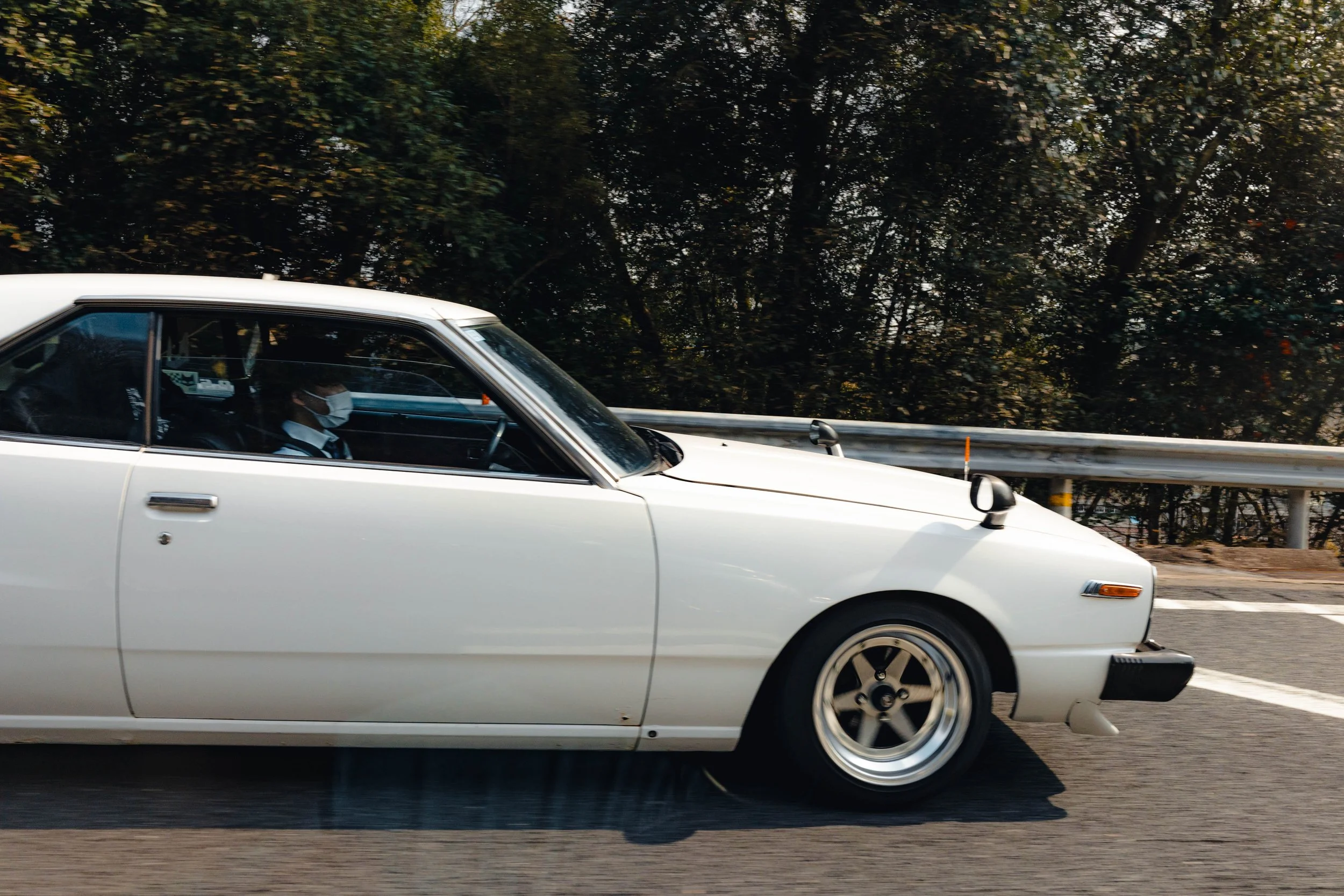
Can’t make a road trip post without a car photo.
Day 1 — Osaka → Akame → Gifu Area
Start from Osaka and drive to Akame 48 Waterfalls. Spend a few hours walking the forest trail, then continue toward the Gifu area for the night.
Day 2 — Gifu → Gujo → Nakatsugawa
Drive to Gujo-Hachiman Station, then explore Igawa Lane and the surrounding canal district. This is a quiet, atmospheric stop—more about wandering than sightseeing.
Continue to Nakatsugawa and stay overnight.
Day 3 — Nakatsugawa → Magome → Narai → Chikuma
Visit Magome-juku and Narai-juku, two preserved Edo-period post towns. Explore both efficiently (no long hikes), then continue to the Chikuma area.
Day 4 — Chikuma → Jigokudani → Nozawaonsen
Start early and drive to the monkey park. Expect a 30–40 minute walk each way and about 1–1.5 hours at the site.
In the afternoon, drive to Nozawaonsen. Spend the evening enjoying the town and its public baths.
Day 5 — Nozawaonsen → Kiyotsu Gorge → Kusatsu → Nikko
Drive to Kiyotsu Gorge Tunnel in the morning. This is a short but visually striking stop. Afterward, continue to the small town of Kusatsu Onsen. Stop for a few hours to walk around and recharge.
Then continue to Nikko. Arrive in the evening so that you can eat and rest. Today you did a lot.
Day 6 — Nikko → Hakone
Wake up early to explore Nikko and when you’re done travel to Hakone, another beautiful town. You probably won’t have the time to explore both in depth so do your research and see where you want to invest more time.
Day 7 — Hakone → Osaka (Full Return Day)
This is a dedicated driving day. Leave early in the morning and split the journey in multiple legs. Take breaks, don’t rush, and treat this as a transit day.
Cost Breakdown (Estimate)
Rental car: ¥30k – ¥90k. I think ¥60k is a good estimate.
Tolls: This is your biggest variable. If you use highways heavily expect to spend about ¥40k while if you mix in some local roads you should spend around ¥25k. Realistically I think you can expect to spend ~¥30k.
Parking: not really much of a factor, just stay at places that offer free parking.
Petrol: the itinerary is about 1400 Km long. With a fuel efficiency of 15 Km/L and a cost of petrol of about ¥175 per liter (I always managed to refuel for less than that) you should expect to spend around ¥16k.
Accommodation: Using business hotels and love hotels with free parking when available and spending more only when you don’t have other chances (Nikko and Hakone) I think you should expect to spend an average of 7-9k per night. Estimated total: ¥65k.
Activities: about ¥5k
Practical Tips
Free Parking Strategy
Stay slightly outside city centers or use love hotels. This eliminates most parking costs. You’ll still pay small fees at tourist spots—but those are minor.
Be Flexible With Accommodation
Book your first nights, then stay flexible. Japan is easy for solo travelers—you’ll rarely struggle to find a place. Just make sure that in the area where you plan to stay there actually are accommodations because that’s not always the case.
Prioritize the Experience, Not Efficiency
Trains are faster. This trip isn’t about speed. It’s about:
Pulling over when something looks interesting
Taking a detour without overthinking
Experiencing places that trains don’t reach well
When to do it
If you have the chance do it during a low season that can have good weather, like the end or March. You’ll miss out on peak snow season (while still seeing some) but that actually makes the driving easier.
Final Thoughts
This isn’t the cheapest way to travel Japan—and it’s not the easiest but it’s one of the most rewarding. You go from waterfalls to mountain villages, from Edo-era roads to wild monkeys, and end your days soaking in hot springs. And you do it all on your own schedule.
If you enjoy driving (or if you’re lucky enough to travel with someone that does) and want to see a different side of Japan, this route delivers.
Just respect the distances, start your days early, and don’t try to do too much in one go. That’s the difference between a stressful trip and a great one.


Workshop at a Glance
Dates: 16the and 17th of January 2027
Location: Hong Kong
Duration: 2 days
Price: 600€ per person (150€ + 450€ see the Pricing & Booking section for the details)
Skill Level: All levels welcome
Group Size: Only 10 spots available
Welcome to Hong Kong
Hong Kong is a vertical labyrinth of raw cinematic energy, making it an absolute dream for street photography. It’s a city of thrilling visual contrasts—where the intense, neon-lit density of Mong Kok gives way to quiet, hidden alleyways, and grand colonial architecture sits in the shadow of towering glass skyscrapers. From double-decker trams slicing through seas of commuters to abstract reflections, moody shadows, and steam rising from street food stalls, Hong Kong is an endless playground of geometry, scale, and human emotion.
Join internationally recognised street photographers Paolo Maschio and Tom Bugatti (website | Instagram) for an immersive workshop designed to sharpen your eye, refine your technique, and help you carve out your own unique visual voice. Over two full days, we’ll explore two distinct philosophical styles: Paolo’s humanistic approach—focusing on raw emotion, proximity, and individuals navigating the city—and Tom’s formalistic approach, where human subjects become elements of geometry, light, reflection, and abstraction within a larger frame.
What to Expect
Two focused days, two distinct visual philosophies, and a city that never stops moving. You’ll be gently pushed to shoot more instinctively, to take the frame you almost talked yourself out of, and to trust your eye whether you're capturing close-range human emotion or abstracting subjects into geometric architecture.
Expect a genuine mix of theory, image critique, and extensive field shooting in one of the most cinematic cities in the world. As participants sign up, we will reach out directly to understand your specific goals and visual interests. Depending on the group's preferences, we will tailor our on-the-street approach—either splitting into smaller targeted groups or alternating leads—to ensure maximum personal attention.
A detailed schedule for the two days will be shared with all participants before the event. We don't share it in advance as it is tailored to the experience level and preferences of the group, as well as the weather.
With two instructors sharing the lead, you'll benefit from a rich dual approach. Ultimately, our goal isn't to make you shoot like us, but to help you develop your own distinct way of seeing. There’s no competition here—just a community of photographers learning from two complementary perspectives and from each other.
What You’ll Learn
Whether you've never done street photography before or you're looking to break through a creative plateau, this workshop is designed to give you concrete tools you can keep using long after you leave Hong Kong.
Over the two days we'll cover:
Humanistic vs. Formalistic Approaches — choosing whether to tell a story through personal emotion or through abstract shape, reflection, and structure;
Reading a scene — how to anticipate moments before they happen;
Composition and framing — layers, geometry, and urban scale;
Overcoming hesitation — practical techniques for shooting confidently up close;
Working with available light — navigating moody shadows, neon, and high-contrast reflections;
Editing and curation — how to select your strongest images and understand why they work.
Requirements
No prior experience with street photography is required but you’ll definitely need:
A camera you're comfortable using — DSLR, mirrorless, compact or film, all welcome;
Lenses: Wide lenses for close-quarters shooting are great, but if you are interested in capturing architectural reflections, geometric details, or abstract compositions, please make sure to bring a telephoto lens (100mm or longer);
Comfortable shoes (expect to walk several Km each day);
A laptop for reviewing and post-producing images;
Curiosity, patience, and respect for the people and places we photograph.
Pricing & Booking
The price of the workshop is €600 per person*. It is possible to pay in full or to pay a 150€ down payment and the remaining 450€ on or before the 1st of January 2027. This payment solution is only available until the 25th of December 2026. After this date paying in full is the only option.
The price includes the following:
Pre-workshop outreach to understand your personal goals and tailor the experience;
Portfolio reviews by both Paolo and Tom;
Two days of guided shooting in Hong Kong’s most photographically rich neighbourhoods;
Theory sessions exploring humanistic, formalistic, and abstract street photography;
Daily photo critiques — reviewing your images together and understanding what's working and why;
Personal feedback tailored to your individual level and style.
Transportation, meals, drinks, travel insurance, and any other incurred costs are not included and are to be paid individually.
* All workshop participants receive a 10% discount on any future workshops they attend with me (co-sponsored workshops with other instructors excluded).
Cancellation and Refund Policy
See https://paolomaschio.com/returns.
FAQ
Do I need to be an experienced photographer?
Not at all. This workshop is open to all skill levels. The only requirement is that you're comfortable handling your own camera. Whether you're just starting out or you've been shooting for years and want fresh eyes on your work, there's something here for you.
What camera should I bring?
Whatever you already own and feel comfortable with. Street photography is about seeing, not gear. A compact camera or even a film camera is absolutely fine but you should know how to operate it.
Will we stay in the same hotel?
Accommodation is not included in the price. If you want I can share recommended areas to make it easy to stay close to the group.
Is travel insurance required?
I strongly recommend taking out travel insurance that covers trip cancellations, medical expenses and lost equipment. This is your responsibility to arrange independently.
I have a question not answered here — can I get in touch?
Absolutely. Reach me through the contacts section of this website and I'll get back to you as soon as I can.