

Capturing the Soul of Paris: A Street Photography Journey
Street photography in Paris is more than a visual experience, it’s not just about snapping pictures, it’s a journey into the heart of a city that breathes art, history, and human connection, it's about embracing the city's soul, its stories, and the intricate dance of life that unfolds at every corner.

Why Paris is very good for Street Photography
Paris is a city where history and modernity walk hand in hand. The cobblestone streets, the majestic Haussmannian architecture, and the quaint cafes create a canvas that's both timeless and ever-changing. To truly capture Paris, a street photographer must become a silent observer, blending into the city's rhythm and flow.
A City of Layers
Paris is a city where the past and present coexist harmoniously. Classic bookshops line the streets of Saint-Germain-des-Prés, while street performers and artists bring life to Montmartre. Capturing these layers of history, culture, and activity is the essence of street photography in Paris.
Iconic Landmarks
From the iconic Eiffel Tower to the bustling Champs-Élysées, Paris offers a plethora of landmarks that are a must for everyone, regardless of it you are a street photographer or not. But beyond these well-known sites, there are countless hidden gems. The narrow alleyways of Le Marais, the vibrant markets of Montmartre, and the serene paths along the Seine each offer unique photographic opportunities.
The People of Paris
What truly brings Paris to life are its people. Parisians, with their effortless style and charm, are the essence of the city's character. Capturing candid moments of locals sipping coffee at a sidewalk café, street musicians playing melodies, or artists painting by the river can add depth and emotion to your photographs.
Best Spots for Street Photography in Paris
Here’s a brief list of the best spots to shoot street photography in Paris. This isn’t a comprehensive list by any means but more of an ongoing collection of notes. At the end of this section you’ll find the link to my personal Google Maps’ list of places that will include some if not all of these and a few more.
Eiffel Tower

While the most popular vantage points are right beneath it or from the gardens of the Champ de Mars, my favorites are actually the Trocadero and Chaillot Hill. It’s usually pretty crowded but it’s a bonus for me and the views are hard to beat. The composition possibility are endless too as there are always people posing or doing unusual things and architectural pieces to use as foreground or background. Another nice spot is the Printemps department store: take the elevator to the rooftop café and savor the stunning views of Parisian rooftops with the Eiffel Tower majestically rising in the background.
https://maps.app.goo.gl/jksDUbWu4gTsnBjJ7
Montmartre
The cobblestone streets and steep staircases of Montmartre, crowned by the stunning Basilica of the Sacré-Cœur, create a picturesque backdrop that harks back to old Paris. This neighborhood's history as an artists' haven, once home to the likes of Picasso and Van Gogh, infuses each photograph with a rich cultural narrative. While it's undeniably popular with tourists, there's a special magic in visiting early. Watching artists set up, capturing the long shadows cast across the cobblestones, and avoiding the crowds allows for serene and captivating photos.
https://maps.app.goo.gl/7mCVyFvk4Ds1GHz89
Le Marais
Renowned for its lively street atmosphere, historic charm, and delectable dining options—seriously, don't miss L’As du Fallafel—Le Marais captures the essence of both old and modern Paris. Its narrow streets, lined with boutiques, vintage shops, and bakeries, present endless opportunities for candid street photography amidst a richly diverse community. My favorite spot in the area is technically just outside of it: the Centre Pompidou is a great background for those of you that like lines and geometries.
https://maps.app.goo.gl/fMtEL4JSyrxJbauT8
Latin Quarter

Centered around the prestigious Sorbonne University, its narrow, winding streets are lined with historic buildings, charming cafes, and iconic bookstores such as Shakespeare and Company. The neighborhood also boasts significant landmarks, including the Panthéon, which houses the remains of many notable French figures, and the beautiful church of Saint-Étienne-du-Mont. The unique blend of historical architecture and lively street scenes makes the Latin Quarter a vibrant and captivating part of Paris, perfect for both exploration and street photography.
https://maps.app.goo.gl/yHoeW83D6kbRMCSXA
Pont Alexandre III
This elegant bridge across the Seine provides stunning vistas of iconic landmarks like the Eiffel Tower and Les Invalides. Adorned with opulent Art Nouveau lamps, cherubs, nymphs, and winged horses, it stands as a magnificent testament to French decorative arts.
https://maps.app.goo.gl/A8bfSpfNPgZLk94Y7
Saint-Germain-des-Prés
Known for its intellectual and artistic history, this area offers a mix of classic Parisian charm and modern-day life. It’s one of those places where anything can happen at any time.
https://maps.app.goo.gl/jo4hbPUmSFobvqueA
Rue de Rivoli
This iconic street is lined with historic buildings and bustling shops, making it a great spot for street photography. I recommend going inside the 59 Rue de Rivoli, it’s free.
https://maps.app.goo.gl/gLsjvTCUskZsxwGQA
Passage Jouffroy
Constructed in 1847, Passage Jouffroy stands as one of Paris’s historic covered passages. With its glass roof, classic wood paneling, and traditional Parisian mosaic flooring, it offers a window into 19th-century Parisian life. This passage houses unique boutiques, antique bookshops, and a traditional tearoom, presenting a myriad of intriguing subjects for photography. The preserved architectural details and the natural light that filters through the glass ceiling make it a superb location for capturing the elegance of Parisian life and the timeless allure of its hidden passages.
https://maps.app.goo.gl/x5PQ5WSDk5BCUBsu6
Metro stations and trains

Like in almost every city, train stations, metro stations and trains are a pretty good bet to get interesting street shots of everyday life. Paris in particular has some stations that will take you back in time and that make such a nice background for pictures.
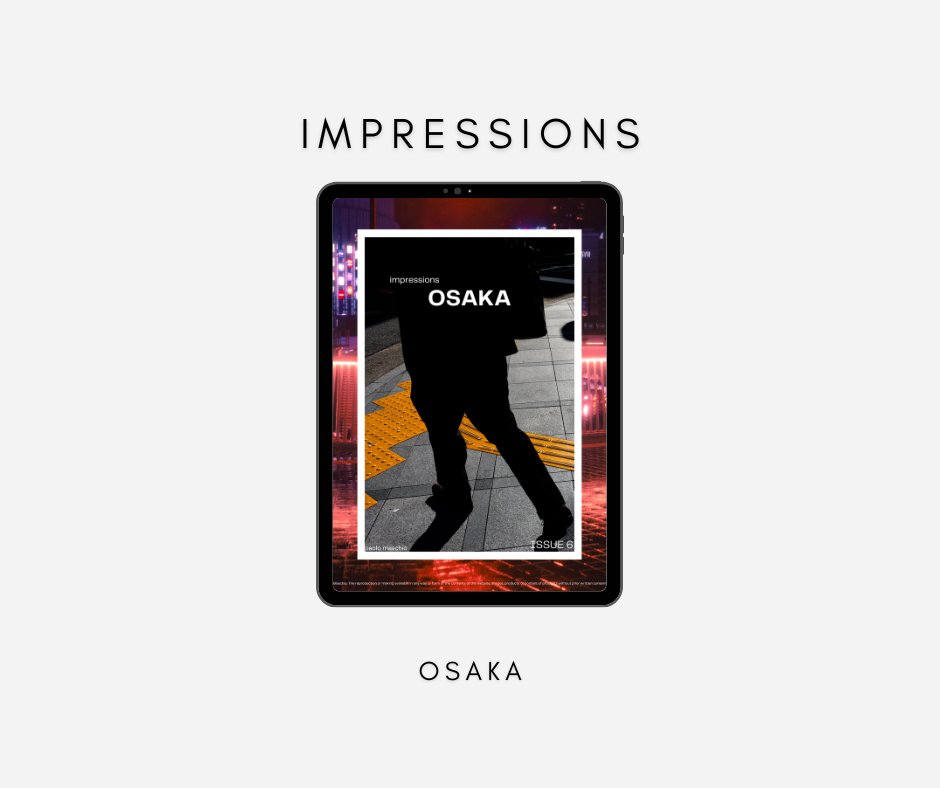
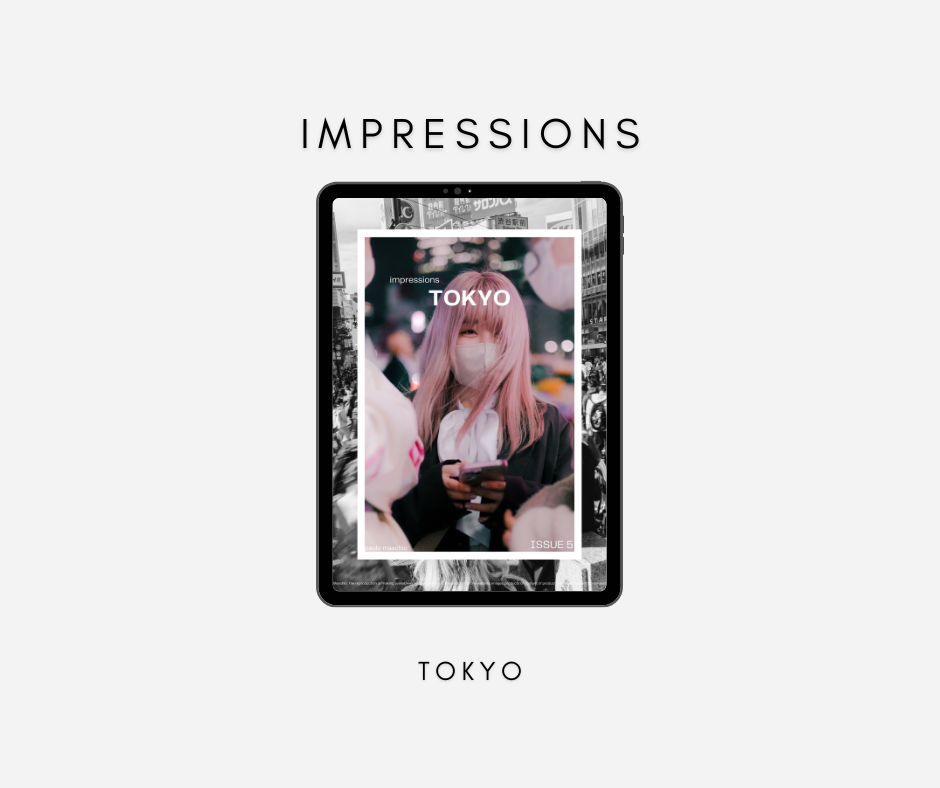
If you want to see more photos of Paris, please consider buying Impressions - Issue 2 - Paris. You’ll see a lot of images from France’s capital, many of which never shared online, and it’s a great way of supporting me and my work. Thank you in advance.
My saved photography places
As promised, here’s the Google Maps’ list of my saved street photography places in Paris:
Paris’ greats
Paris has been home to many renowned street photographers who have captured its essence through their lenses.
Henri Cartier-Bresson

Often considered the father of modern street photography, Cartier-Bresson's work in Paris is legendary. His ability to capture the "decisive moment" has inspired countless photographers.
If you want to see a few pictures from the master himself you can visit the Henri Cartier Bresson Foundation: https://maps.app.goo.gl/4XMoPJd85dzer9Qi6
Eugène Atget

An early 20th-century photographer, Atget documented the streets and architecture of Paris before much of it was modernized. His work provides a historical glimpse into the city's past.
Robert Doisneau

Known for his charming and whimsical street scenes, Doisneau's photographs often depict the everyday life of Parisians with warmth and humor.
Where to eat
Overall I would say that you’re best bet will be the Latin Quarter as it is home to a lot of very good restaurants.
But just in case here’s the list of my favorite places:
Restaurants in paris - https://maps.app.goo.gl/vvMm7KDqhpMuLrfTA
What to see outside of street photography
I won’t go into details for these attractions and landmarks as they are pretty popular and I’m not an historian or tour guide so I won’t be able to add any useful information anyway. But having a list as a starting point might help.
The main attractions
Eiffel Tower
The symbol of Paris, offering stunning views of the city from its observation decks. If you decide to go up I think it’s best during the day as Paris is not New York and at night you won’t see much.
Louvre Museum
Home to thousands of works of art, including the famous Mona Lisa. It’s huge therefore I recommend going with a plan of what you would like to see.
Notre-Dame Cathedral
A masterpiece of Gothic architecture, though currently under restoration, its history and beauty remain captivating.
Champs-Élysées and the Arc de Triomphe
One of the most famous avenues in the world, leading up to the grand Arc de Triomphe.
Sacré-Coeur Basilica
Located in Montmartre, this basilica offers panoramic views of Paris and a glimpse into the city's artistic heritage.
Musée d'Orsay
A museum housed in a former railway station, showcasing an impressive collection of Impressionist and Post-Impressionist masterpieces. I would say this is my favorite museum in Paris.
Off the beaten path
Rue Cremieux
This colorful cobblestone street in the 12th arrondissement is lined with pastel-colored houses. It's a popular spot for photos, but still relatively unknown to many tourists.
The Passage des Panoramas
Located on Boulevard Montmartre, this is the oldest covered walkway in Paris. It's filled with eclectic boutiques and ethnic restaurants, making it a great place for a quick bite and some unique shopping.
The Flower and Bird Market
Situated along the River Seine between Notre-Dame Cathedral and Sainte-Chapelle, this market offers a beautiful stroll through green cast iron pavilions filled with colorful flowers. On Sundays, it transforms into a Bird Market.
The Zadkine Museum Courtyard
This hidden gem features a beautiful courtyard with bronze mythological statues hidden among the foliage. It's a magical setting, especially in the summer and fall.
La Grande Épicerie
Located at 24 Rue de Sèvres, this food hall is a paradise for foodies. You can find everything from freshly-baked pastries to artisanal cheeses and fine charcuterie.
The Liberation of Paris Museum
This museum brings the story of Paris’ liberation during WWII to life. It's a fascinating spot for history enthusiasts, and it's conveniently located near the Catacombs.
Parc des Buttes-Chaumont
This park in the 19th arrondissement offers stunning views, waterfalls, and even a hidden grotto. It's a perfect spot for a peaceful stroll or a relaxing picnic.
Le Musée des Arts Forains
A private museum of fairground art located in Bercy, it offers a unique and whimsical experience with vintage rides, games, and carnival memorabilia.
Promenade Plantée (Coulée Verte)
This elevated parkway runs from Bastille to the Bois de Vincennes and offers a beautiful, green escape from the city's hustle and bustle. It's similar to New York City's High Line.
Musée de la Chasse et de la Nature
This museum, located in a charming mansion in the Marais, features eclectic exhibits on hunting, nature, and art.
The Wall of Love (Le Mur des Je t'aime)
Located in the Jehan Rictus garden square in Montmartre, this wall features the phrase "I love you" written in over 250 languages. It's a romantic spot that's often overlooked by tourists.
La Pagode
This historic cinema in the 7th arrondissement is housed in a beautiful pagoda-style building. Even if you don't catch a film, the architecture alone is worth a visit.
The Covered Passages
In addition to the Passage des Panoramas, Paris has several other beautiful covered passages like Passage Jouffroy, Passage Verdeau and Galerie Vivienne. These passages are filled with shops, cafés, and unique finds.
Le Musée de la Vie Romantique
This charming museum in the 9th arrondissement is dedicated to the Romantic era and offers a glimpse into the lives of famous artists and writers.
If you want to see more photos of Paris, please consider buying Impressions - Issue 2 - Paris. You’ll see a lot of images from France’s capital, many of which never shared online, and it’s a great way of supporting me and my work. Thank you in advance.
How to get around
I always walk to be honest (in Paris I did my second best walking record of 37km in 24hrs) but when I’m desperate (aka late for something) I get on the metro trains.
To use the trains you need a ticket or a transportation card. Here are some options:
Navigo Travel Card: Ideal for frequent travelers, this card can be loaded with weekly, monthly, or annual passes. It's convenient for unlimited travel within the Île-de-France region1.
Paris Visite Travel Pass: Available for 1 to 5 days, this pass offers unlimited travel on public transport and includes special deals at museums and attractions.
Single-use Tickets: For occasional trips, you can buy single-use tickets for the metro, RER, buses, and trams. These tickets are valid for a single journey lasting up to 90 minutes1.
Mobile Tickets: You can also purchase and store tickets on your mobile phone using the Île-de-France Mobilités app.
A small tip: if you can I would avoid the Châtelet–Les Halles station as it’s pure chaos. It’s basically the French equivalent of Shinjuku in Tokyo.
Uber and Bolt are also available in Paris but the traffic is frequently dreadful. Perhaps they are more useful at night when the traffic quiets down a bit.
Where to stay
If you can afford it I would pick the Louvre/Tuileries (1st Arrondissement). It’s perfect for first-time visitors as this area is right in the heart of Paris, close to major attractions like the Louvre and Tuileries Garden. Another pretty good area is Le Marais (3rd & 4th Arrondissements): great for foodies and those who love exploring unique shops. If you are on a budget like me, the closest I could get to the city center without breaking the bank (although I put a dent on it for sure) was the Latin Quarter (5th Arrondissement). This area is close to the Sorbonne University and offers a mix of affordable accommodations and historic charm. It also bolsters a very good selection of restaurants.

Workshop at a Glance
Dates: 16the and 17th of January 2027
Location: Hong Kong
Duration: 2 days
Price: 600€ per person (150€ + 450€ see the Pricing & Booking section for the details)
Skill Level: All levels welcome
Group Size: Only 10 spots available
Welcome to Hong Kong
Hong Kong is a vertical labyrinth of raw cinematic energy, making it an absolute dream for street photography. It’s a city of thrilling visual contrasts—where the intense, neon-lit density of Mong Kok gives way to quiet, hidden alleyways, and grand colonial architecture sits in the shadow of towering glass skyscrapers. From double-decker trams slicing through seas of commuters to abstract reflections, moody shadows, and steam rising from street food stalls, Hong Kong is an endless playground of geometry, scale, and human emotion.
Join internationally recognised street photographers Paolo Maschio and Tom Bugatti (website | Instagram) for an immersive workshop designed to sharpen your eye, refine your technique, and help you carve out your own unique visual voice. Over two full days, we’ll explore two distinct philosophical styles: Paolo’s humanistic approach—focusing on raw emotion, proximity, and individuals navigating the city—and Tom’s formalistic approach, where human subjects become elements of geometry, light, reflection, and abstraction within a larger frame.
What to Expect
Two focused days, two distinct visual philosophies, and a city that never stops moving. You’ll be gently pushed to shoot more instinctively, to take the frame you almost talked yourself out of, and to trust your eye whether you're capturing close-range human emotion or abstracting subjects into geometric architecture.
Expect a genuine mix of theory, image critique, and extensive field shooting in one of the most cinematic cities in the world. As participants sign up, we will reach out directly to understand your specific goals and visual interests. Depending on the group's preferences, we will tailor our on-the-street approach—either splitting into smaller targeted groups or alternating leads—to ensure maximum personal attention.
A detailed schedule for the two days will be shared with all participants before the event. We don't share it in advance as it is tailored to the experience level and preferences of the group, as well as the weather.
With two instructors sharing the lead, you'll benefit from a rich dual approach. Ultimately, our goal isn't to make you shoot like us, but to help you develop your own distinct way of seeing. There’s no competition here—just a community of photographers learning from two complementary perspectives and from each other.
What You’ll Learn
Whether you've never done street photography before or you're looking to break through a creative plateau, this workshop is designed to give you concrete tools you can keep using long after you leave Hong Kong.
Over the two days we'll cover:
Humanistic vs. Formalistic Approaches — choosing whether to tell a story through personal emotion or through abstract shape, reflection, and structure;
Reading a scene — how to anticipate moments before they happen;
Composition and framing — layers, geometry, and urban scale;
Overcoming hesitation — practical techniques for shooting confidently up close;
Working with available light — navigating moody shadows, neon, and high-contrast reflections;
Editing and curation — how to select your strongest images and understand why they work.
Requirements
No prior experience with street photography is required but you’ll definitely need:
A camera you're comfortable using — DSLR, mirrorless, compact or film, all welcome;
Lenses: Wide lenses for close-quarters shooting are great, but if you are interested in capturing architectural reflections, geometric details, or abstract compositions, please make sure to bring a telephoto lens (100mm or longer);
Comfortable shoes (expect to walk several Km each day);
A laptop for reviewing and post-producing images;
Curiosity, patience, and respect for the people and places we photograph.
Pricing & Booking
The price of the workshop is €600 per person*. It is possible to pay in full or to pay a 150€ down payment and the remaining 450€ on or before the 1st of January 2027. This payment solution is only available until the 25th of December 2026. After this date paying in full is the only option.
The price includes the following:
Pre-workshop outreach to understand your personal goals and tailor the experience;
Portfolio reviews by both Paolo and Tom;
Two days of guided shooting in Hong Kong’s most photographically rich neighbourhoods;
Theory sessions exploring humanistic, formalistic, and abstract street photography;
Daily photo critiques — reviewing your images together and understanding what's working and why;
Personal feedback tailored to your individual level and style.
Transportation, meals, drinks, travel insurance, and any other incurred costs are not included and are to be paid individually.
* All workshop participants receive a 10% discount on any future workshops they attend with me (co-sponsored workshops with other instructors excluded).
Cancellation and Refund Policy
See https://paolomaschio.com/returns.
FAQ
Do I need to be an experienced photographer?
Not at all. This workshop is open to all skill levels. The only requirement is that you're comfortable handling your own camera. Whether you're just starting out or you've been shooting for years and want fresh eyes on your work, there's something here for you.
What camera should I bring?
Whatever you already own and feel comfortable with. Street photography is about seeing, not gear. A compact camera or even a film camera is absolutely fine but you should know how to operate it.
Will we stay in the same hotel?
Accommodation is not included in the price. If you want I can share recommended areas to make it easy to stay close to the group.
Is travel insurance required?
I strongly recommend taking out travel insurance that covers trip cancellations, medical expenses and lost equipment. This is your responsibility to arrange independently.
I have a question not answered here — can I get in touch?
Absolutely. Reach me through the contacts section of this website and I'll get back to you as soon as I can.