

Berlin: Between History and Street Photography
Berlin, a city that pulsates with history, art, and an undeniable raw energy, is a dream destination for both the seasoned traveler and the street photographer. From the remnants of the Berlin Wall to the vibrant street art scene, every corner tells a story.
This blog post will guide you through the essentials of traveling to Berlin and capturing its unique spirit through street photography.
Berlin: A City Reborn
Berlin's history is etched into its very fabric. Once a divided city, it now stands as a symbol of unity and resilience. The city's layered past, combined with its forward-thinking attitude, creates a fascinating contrast that’s ripe for exploration.
Getting There and Around

Airports
Berlin Brandenburg Airport (BER) is the main international airport. Transportation to\from the airport has improved but in my opinion is still a bit confusing. If you arrive at Terminal 2 note that to catch a train to che city you have to go out of the Terminal and walk to Terminal 1. Then you’ll find the trains by going downstairs.
Public Transportation
Berlin's public transport system (BVG) is excellent. A combination of U-Bahn (subway), S-Bahn (commuter rail), trams, and buses makes getting around easy and efficient. Consider purchasing a day or week pass for unlimited travel. If you’re travelling outside of Berlin, note that German trains are very unreliable: often late or cancelled.
Walking, Cycling and Shared Rides
Berlin is a very walkable and bike-friendly city. Renting a bike is a great way to explore at your own pace. You can also use shared bikes or e-scooters.
Must-See Attractions

The Berlin Wall Memorial
On Bernauer Straße, the Berlin Wall Memorial offers a comprehensive look at the city's division. Explore an outdoor exhibition, documentation center, victims' memorial, and the Chapel of Reconciliation. An original wall section with a watchtower illustrates the former border fortifications. Don't miss the East Side Gallery, a 1,300-meter stretch of the wall transformed by 118 artists from 21 countries after its fall.
Address: Berlin Wall Memorial: Bernauer Straße 111, 13355 Berlin | Suburban railway lines 1,2,25,26 5, stop Nordbahnhof.
Opening hours: Tuesday to Sunday, 10 am to 6 pm.
Admission: free of charge.
The Brandenburg Gate
The Brandenburg Gate, Berlin's iconic symbol of reunification, was erected in 1791. Facing it lies Pariser Platz, a grand square framed by world-renowned buildings like the historic Hotel Adlon and the Academy of Arts. Nearby, the Max Liebermann Haus celebrates the life of the celebrated Berlin Impressionist.
Address: Pariser Platz, 10117 Berlin | Underground station: Brandenburger Tor U5.
Opening hours: the Brandenburg Gate can be visited freely around the clock.
Admission: Admission is free of charge.
The Reichstag Building
The German parliament building. Experience the Reichstag's glass dome for a breathtaking view, placing you directly above the politicians and the city's lively streets. Explore the nearby government quarter, including the German Chancellery, and find yourself moments from the iconic Brandenburg Gate.
Address: Platz der Republik 1, 11011 Berlin | Underground station: Brandenburger Tor U5.
Opening hours: The dome and roof terrace are open from 8.00 am to 6.00 pm during the winter months (1 November to 31 March).
Admission: The dome and roof terrace can be visited free of charge; but online registration is required. You can also avail a guided tour and participate in a plenary session.
TV Tower
Berlin's tallest structure, the 368-meter TV Tower, offers an unparalleled 360° city panorama. Built in the 1960s, it stands near Alexanderplatz, the heart of former East Berlin. While there, don't miss the iconic World Clock, showcasing 146 global cities.
Address: Panoramastraße 1A, 10178 Berlin | Underground, suburban railway, tram, bus, regional railway station Alexanderplatz
Opening hours: 10 am to 11 pmr
Admission: different offers
Museum Island
Museum Island, a UNESCO World Heritage Site, showcases 6,000 years of art and culture across five renowned museums: the Alte Museum, Neues Museum, Alte Nationalgalerie, Bode Museum, and the currently closed Pergamonmuseum (of course it’s closed, it’s my favorite). The impressive collections and architecture ensure a unique experience. Nearby, explore the historic Berlin Cathedral, dating back to the 15th century.
Address: Bodestraße, 10178 Berlin | Underground line 5, bus line 100, stop Museum Island
Humboldt Forum
The Humboldt Forum, opposite Berlin's Museum Island, is a center for art, culture, and science. Reconstructed within the Berlin City Palace, it houses various exhibitions and the significant collections of the Ethnological Museum and the Museum of Asian Art. The nearby Friedrichswerder Church, designed by Schinkel, now functions as a museum displaying classicist sculptures in its neo-Gothic architecture.
Address: Schloßplatz, 10178 Berlin | Underground line 5, bus line 100, stop Museum Island
Opening hours: Wednesday to Monday 10:30 am to 6:30 pm
Admission: several exhibitions free of charge, additional chargeable exhibitions with time slot ticket
Gendarmenmarkt
Just a quick hop from Friedrichstraße's designer stores, you'll find the Gendarmenmarkt, one of Berlin's most charming squares. They're giving it a sustainable makeover right now, but you can still admire its architectural highlights: the Konzerthaus, German Cathedral, and French Cathedral, all offering fantastic concerts and exhibitions.
Address: Gendarmenmarkt, 10117 Berlin | Underground stations Unter den Linden, Hausvogteiplatz, Französische Straße.
Access: The square will reopen in February 2025; meanwhile the great offer of the surrounding magnificent historical buildings is available for all visitors.
Kurfürstendamm
Stretching from the Kaiser Wilhelm Memorial Church to Halensee, Kurfürstendamm is Berlin's premier shopping avenue. Here, find prestigious brands, major fashion chains, and the iconic KaDeWe—Europe's largest department store. Explore stylish Bikini Berlin and charming boutiques tucked in side streets. Plus, the Berlin Zoo, Germany's oldest, delights young visitors.
Address: Berlin Charlottenburg, between Breitscheidplatz and Halensee | Underground station Kurfürstendamm and many other stations
East Side Gallery
The Berlin Wall's sudden 1961 construction is both impressive and chilling. The risk faced by those attempting escape—being shot—is equally harrowing.
Today, the East Side Gallery, the longest preserved section, stands as a vibrant memorial. Following its fall, over 100 artists from around the world transformed the 1.3-kilometer wall into a colorful canvas. Among the most iconic murals is Dmitri Vrubel's 'Fraternal Kiss,' depicting Brezhnev and Honecker, captioned 'My God, Help Me to Survive This Deadly Love.'
Address: Mühlenstraße 73, 10243 Berlin.
Checkpoint Charlie
On Friedrichstraße, Berlin's main shopping street, stands Checkpoint Charlie, the Cold War's most iconic East-West crossing. Its name originates from the NATO phonetic alphabet. Across the street, the BlackBox Cold War open-air exhibition recounts the dramatic stories of escape attempts from East Berlin.
Tiergarten
Tiergarten serves as Berlin's "green lung," providing a peaceful escape from the city's hustle and bustle. It's perfect for leisurely strolls, picnics, cycling, and relaxation. Within the park there also are the Berlin Zoo and the Victory Column which offers panoramic views of the city.
The park has a rich history, evolving from a royal hunting ground to a public park. It also contains memorials and monuments that reflect Berlin's past.
Address: Tiergarten is a very large park, so it doesn't have one single, specific address. However, if you need an address for a central point within the park, or for a reference point you can use: Straße des 17. Juni 100, 10557 Berlin
Kreuzberg and Friedrichshain
Districts known for their alternative culture, street art, and nightlife.
Kreuzberg is edgy and alternative. It is known for its countercultural roots, its diverse population, and its rebellious spirit. It's a place where artists, activists, and immigrants have long found a home. It has a very strong alternative scene, with many punk, and other alternative bars and clubs. While parts of Kreuzberg have undergone gentrification, it still retains its gritty charm and its independent spirit. Kottbusser Tor is a very famous, and very gritty area of Kreuzberg. The neighborhood has a significant Turkish population, resulting in a rich mix of cultures and cuisines. You'll find numerous Turkish markets, restaurants, and shops. It also has a lively nightlife, with a wide range of bars, clubs, and live music venues.
Friedrichshain is lively and trendy. Definitely a more gentrified neighborhood than Kreuzberg, but it still retains a vibrant and energetic atmosphere. Friedrichshain was part of East Berlin during the Cold War, and remnants of its socialist past can still be seen in its architecture and streetscapes. The East Side Gallery, a preserved section of the Berlin Wall covered in murals, is a major attraction in Friedrichshain. The RAW Gelände is a former railway repair yard that has been transformed into a cultural center with bars, clubs, art spaces, and a flea market. This is a very popular nightlife area. So is Boxhagener Platz who also offers a popular weekend market.
Oberbaum Bridge
During the division of German, the Oberbaum bridge was the only pedestrian border crossing. From the bridge there is a great view towards the city centre and provides a different perspective of East Side Gallery.
Address: Oberbaumbrücke, 10243 Berlin.
Street Photography in Berlin: Capturing the City's Soul

Berlin's diverse population, its historical landmarks, and its ever-evolving street art scene make it a street photographer's paradise.
Key Areas
Kreuzberg
It's a hub of activity, offering endless opportunities to capture unique characters and candid moments.
Specifically, look around Kottbusser Tor, and also along the Landwehr Canal.
Friedrichshain
The East Side Gallery, a preserved section of the Berlin Wall covered in murals, is a must-visit.
Revaler Strasse is a great place to find alternative culture.
Mitte
The city's central district, home to many iconic landmarks like the Brandenburg Gate, Museum Island, and Alexanderplatz.
It offers a mix of historical architecture and modern urban scenes.
Hackesche Höfe, and Haus Schwarzenberg, are great locations within Mitte.
It’s definitely my favorite area.
Prenzlauer Berg
A trendy area with cafes, shops, and a relaxed atmosphere.
It's a good place to capture everyday life and street scenes.
Mauerpark, especially on Sundays, and Eberswalder Strasse are very good locations.
Alexanderplatz
A large public square with modern architecture, including the iconic TV Tower.
It's a busy area with a constant flow of people, providing ample opportunities for street photography.
Areas around the S-Bahn and U-Bahn stations
These transportation hubs are always bustling with activity, offering candid moments and interesting characters.
Especially the central stations, like Hauptbahnhof, and Zoologischer Garten.
Tips for Street Photography in Berlin
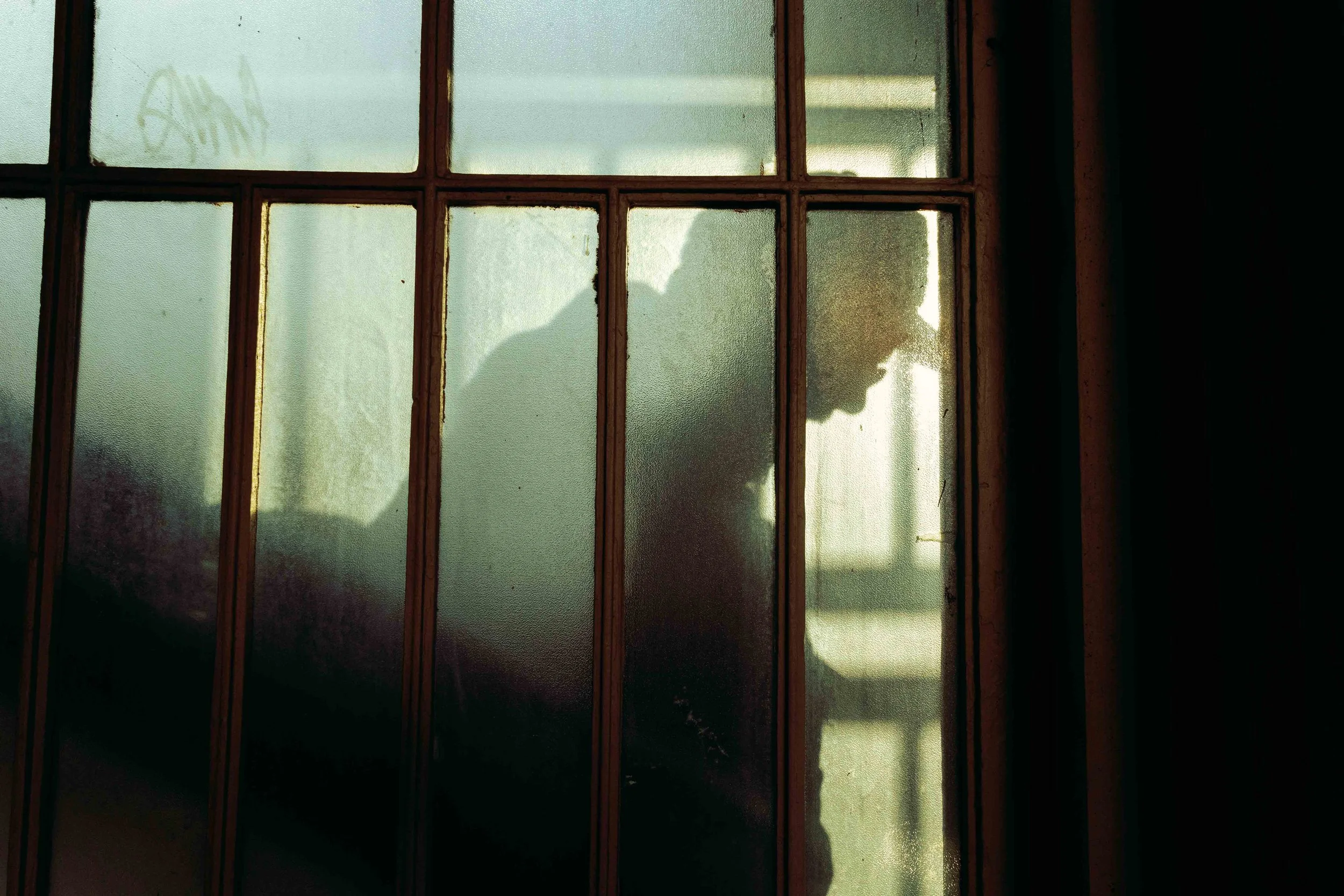
Explore Different Neighborhoods: Each neighborhood has its own distinct character. Kreuzberg is known for its edgy vibe, while Prenzlauer Berg is more family-friendly.
Look for Contrasts: Berlin is a city of contrasts, both historical and modern. Capture the juxtaposition of old and new, the gritty and the beautiful.
Capture the Street Art: Berlin's street art scene is world-renowned. Explore the East Side Gallery and the streets of Kreuzberg to find stunning murals and graffiti.
Shoot in Different Lighting: Berlin's light can be dramatic, especially during golden hour and at night. Experiment with different lighting conditions to create unique images.
A Little Bit of Inspiration
I’m sure you’ll be able to find plenty of pictures of Berlin on social media but I can recommend a couple of talented friends that actually live and do street photography there:
I also recommend looking online for exhibitions. There is almost always something going on in Berlin! If you’re more into galleries then definitely consider visiting the Berlinische Galerie as it has a strong focus on photography.
Food and drinks

Don't miss out on trying Currywurst, a Berlin classic.
Try the kebab!
Explore the diverse culinary scene in Kreuzberg and Neukölln.
Enjoy a beer in one of Berlin's many beer gardens.
Try a Berliner (pastry).
Here’s the list of my favorite places
Accommodation
Consider staying in a central location for easy access to attractions. My favorite area is Mitte.


Workshop at a Glance
Dates: 16the and 17th of January 2027
Location: Hong Kong
Duration: 2 days
Price: 600€ per person (150€ + 450€ see the Pricing & Booking section for the details)
Skill Level: All levels welcome
Group Size: Only 10 spots available
Welcome to Hong Kong
Hong Kong is a vertical labyrinth of raw cinematic energy, making it an absolute dream for street photography. It’s a city of thrilling visual contrasts—where the intense, neon-lit density of Mong Kok gives way to quiet, hidden alleyways, and grand colonial architecture sits in the shadow of towering glass skyscrapers. From double-decker trams slicing through seas of commuters to abstract reflections, moody shadows, and steam rising from street food stalls, Hong Kong is an endless playground of geometry, scale, and human emotion.
Join internationally recognised street photographers Paolo Maschio and Tom Bugatti (website | Instagram) for an immersive workshop designed to sharpen your eye, refine your technique, and help you carve out your own unique visual voice. Over two full days, we’ll explore two distinct philosophical styles: Paolo’s humanistic approach—focusing on raw emotion, proximity, and individuals navigating the city—and Tom’s formalistic approach, where human subjects become elements of geometry, light, reflection, and abstraction within a larger frame.
What to Expect
Two focused days, two distinct visual philosophies, and a city that never stops moving. You’ll be gently pushed to shoot more instinctively, to take the frame you almost talked yourself out of, and to trust your eye whether you're capturing close-range human emotion or abstracting subjects into geometric architecture.
Expect a genuine mix of theory, image critique, and extensive field shooting in one of the most cinematic cities in the world. As participants sign up, we will reach out directly to understand your specific goals and visual interests. Depending on the group's preferences, we will tailor our on-the-street approach—either splitting into smaller targeted groups or alternating leads—to ensure maximum personal attention.
A detailed schedule for the two days will be shared with all participants before the event. We don't share it in advance as it is tailored to the experience level and preferences of the group, as well as the weather.
With two instructors sharing the lead, you'll benefit from a rich dual approach. Ultimately, our goal isn't to make you shoot like us, but to help you develop your own distinct way of seeing. There’s no competition here—just a community of photographers learning from two complementary perspectives and from each other.
What You’ll Learn
Whether you've never done street photography before or you're looking to break through a creative plateau, this workshop is designed to give you concrete tools you can keep using long after you leave Hong Kong.
Over the two days we'll cover:
Humanistic vs. Formalistic Approaches — choosing whether to tell a story through personal emotion or through abstract shape, reflection, and structure;
Reading a scene — how to anticipate moments before they happen;
Composition and framing — layers, geometry, and urban scale;
Overcoming hesitation — practical techniques for shooting confidently up close;
Working with available light — navigating moody shadows, neon, and high-contrast reflections;
Editing and curation — how to select your strongest images and understand why they work.
Requirements
No prior experience with street photography is required but you’ll definitely need:
A camera you're comfortable using — DSLR, mirrorless, compact or film, all welcome;
Lenses: Wide lenses for close-quarters shooting are great, but if you are interested in capturing architectural reflections, geometric details, or abstract compositions, please make sure to bring a telephoto lens (100mm or longer);
Comfortable shoes (expect to walk several Km each day);
A laptop for reviewing and post-producing images;
Curiosity, patience, and respect for the people and places we photograph.
Pricing & Booking
The price of the workshop is €600 per person*. It is possible to pay in full or to pay a 150€ down payment and the remaining 450€ on or before the 1st of January 2027. This payment solution is only available until the 25th of December 2026. After this date paying in full is the only option.
The price includes the following:
Pre-workshop outreach to understand your personal goals and tailor the experience;
Portfolio reviews by both Paolo and Tom;
Two days of guided shooting in Hong Kong’s most photographically rich neighbourhoods;
Theory sessions exploring humanistic, formalistic, and abstract street photography;
Daily photo critiques — reviewing your images together and understanding what's working and why;
Personal feedback tailored to your individual level and style.
Transportation, meals, drinks, travel insurance, and any other incurred costs are not included and are to be paid individually.
* All workshop participants receive a 10% discount on any future workshops they attend with me (co-sponsored workshops with other instructors excluded).
Cancellation and Refund Policy
See https://paolomaschio.com/returns.
FAQ
Do I need to be an experienced photographer?
Not at all. This workshop is open to all skill levels. The only requirement is that you're comfortable handling your own camera. Whether you're just starting out or you've been shooting for years and want fresh eyes on your work, there's something here for you.
What camera should I bring?
Whatever you already own and feel comfortable with. Street photography is about seeing, not gear. A compact camera or even a film camera is absolutely fine but you should know how to operate it.
Will we stay in the same hotel?
Accommodation is not included in the price. If you want I can share recommended areas to make it easy to stay close to the group.
Is travel insurance required?
I strongly recommend taking out travel insurance that covers trip cancellations, medical expenses and lost equipment. This is your responsibility to arrange independently.
I have a question not answered here — can I get in touch?
Absolutely. Reach me through the contacts section of this website and I'll get back to you as soon as I can.